Featured Post: My Reading & Podcast List
Here are recent books I’ve read and podcasts I enjoy. If you’re looking for something interesting to listen to or read, these are a few that have stood out to me. Let me know if you have a recommendations.
Changes to the Gmail Promotions Tab and What Email Marketers Need to Know
Gmail is shaking up the inbox again. With a new Purchases view and Promotions tab sorted by “most relevant,” email marketers will need to rethink how they drive visibility and engagement. Here’s what to know.
Gmail Promotions tab freakout number 2 commencing in 3 … 2 …1 …
Google announced updates to Gmail that will impact how promotional emails are displayed and organized, and likely the anxiety level of email marketers everywhere. These changes, rolling out in the coming weeks, represent a shift toward more personalized email experiences that email marketers need to understand and prepare for.
Here’s a breakdown of what’s changing and the implications for email marketers.
Gmail’s New “Purchases” View
Gmail is introducing a dedicated "Purchases" view that consolidates all purchase and delivery-related emails into a single, organized view. This new section will appear in Gmail's left navigation menu and provide users with a streamlined way to track their orders and deliveries.
The purchase tracking feature will continue to surface packages arriving within 24 hours at the top of the primary inbox, but now users can also access a comprehensive view of all their purchase-related communications in one place. This update is currently rolling out to personal Google accounts on both mobile and web platforms.
My question: How will cart abandonment emails factor into this new view? If they fall into purchases, this could be a bad thing for email marketers.
TL;DR for Gmail’s new Purchases view.
All your purchase and delivery notifications (purchase confirmations, shipping updates, etc.) will now be consolidated in one place, rather than scattered across the inbox.
Gmail will still show packages arriving within 24 hours in the primary inbox and include a summary card in the original purchase email.
This view is rolling out to both mobile and web for personal Google accounts.
Promotions Tab: Now Sorted by Relevance
The most significant is the update to Gmail's Promotions tab (which, BTW, IS still the inbox). Instead of displaying emails chronologically by most recent, Gmail will now default to sorting these emails by "most relevant."
This relevance-based sorting will prioritize emails from senders and brands that users engage with most frequently. Gmail's algorithm will determine relevance based on user interaction patterns, meaning brands with higher engagement rates are more likely to appear prominently in the Promotions tab.
TL;DR for Gmail’s new Most Relevant Promotions sorting.
Gmail will attempt to prioritize senders or brands that users engage with most often.
Users who prefer the traditional chronological view can choose to sort by “most recent” instead.
The update is rolling out over the coming weeks for mobile users with personal Gmail accounts.
For marketers, the shift from recency to relevance means that engagement will be even more critical. Emails that fail to engage risk being further buried.
Promotions Tab: promotional nudges
Gmail is also adding "nudges" to highlight timely offers and deals. These nudges will appear as cards at the top of the Promotions tab, featuring promotions that Gmail determines are time-sensitive or particularly relevant to the user.
The nudges represent a new way for promotional content to gain visibility, potentially surfacing deals that might otherwise get buried in a crowded inbox.
TL;DR for Gmail’s Promotional Nudges.
Gmail will introduce “nudges” — visual cues highlighting timely deals or offers so users are less likely to miss them.
At the top of the Promotions tab, a “Top deals for you” card will show prominently.
What Email Marketers Need to Know About the Gmail Changes
1. Engagement is important
Because Gmail is now factoring “relevance” (based largely on user behavior), you’ll want to focus on driving opens, clicks, and interactions. A low-engagement newsletter may struggle to stay visible in the Promotions tab. This leads to number 2.
2. Segmentation Strategy Should Evolve
Since Gmail will surface emails from brands users interact with most, maintaining engaged subscriber lists becomes crucial. Regular list cleaning and segmentation based on engagement levels will be more important than ever.
3. Senders with Strong User Interaction May Be Favored
Brands already having solid open-rates and click-throughs may benefit even more from these changes. Brands with low engagement metrics may very well see the opposite effect and be further cast into oblivion.
4. Timeliness and Deal Highlighting Matter
With Gmail introducing nudges and highlighting top deals, promotions that are timely, such as flash sales, last-chance reminders, and limited-time offers, may get more visibility. Could we see a rise in flash sales in an attempt to game the system? I don’t know, but I would definitely test out both campaigns and “limited time” subject lines for automated emails, such as cart and product abandonment.
5. Email messages Should Be Actionable
Use clear subject lines, strong CTAs, and content focused on value to help your email stand out in a relevance-sorted environment. This is nothing new, but you know, we still need to remind people to hyperlink their images, so it needs to be said.
6. Monitor Metrics and messages closely
Watch how open rates, deliveries, and spam complaints shift after the rollout. Adjust your send cadence, subject lines, and content based on performance changes. I would also have you and your colleagues test your messages to see where they land. Focus on all automated messages as well as those with different phrases in the subject line. Some phrases to watch are “flash sale,” “ending soon,” “limited time,” and “about to expire.”
7. Don’t Ignore the “Most Recent” Option
Recognizing that not all users may prefer the new system, users can opt to return to the traditional "most recent" sorting method if they prefer the chronological approach over relevance-based organization. This flexibility means email marketers will need to account for users who may experience their emails differently depending on their chosen sorting preference.
Even if users do switch back, relevance-based is the new standard. Market accordingly.
8. RELAX
When Gmail introduced the Promotions tab, brands, including many of my clients, freaked out. It was the end of email, they’d tell me. Turns out, it was a good thing. This is no different.
Frankie says relax (Friends reference). Aaron Rodgers says, “R-E-L-A-X.” (football reference). I say, “calm down (me reference). No matter who you choose to listen to, don’t sweat it. Changes is inevitable, and the changes people freak out the most about are the ones that often make for better email marketers.
It’s easy: send relevant emails to an engaged audience and you’ll have nothing to worry about. Spam people and avoid cleaning your list, and you will.
BFCM Marketing: How to Adjust Email Automation for Black Friday & Cyber Monday
Learn how to adjust your welcome series, product abandonment, and cart abandonment email automations for Black Friday and Cyber Monday (BFCM) to maximize urgency, engagement, and holiday sales.
Black Friday and Cyber Monday (BFCM) are the busiest shopping days of the year, and your email automations can make or break your success. While you don’t need to reinvent the wheel, you do need to tweak your core automations to capture attention, recover lost revenue, and maximize sales during the holiday rush.
Here’s how to adjust them to increase sales during the holiday shopping season.
Welcome Series adjustments for BFCM
Your welcome series sets the tone for new subscribers, but during BFCM, it should emphasize urgency and increase chances for a sale. Highlight limited-time offers, early access to deals, or VIP perks — and don’t forget to match your signup offer with seasonal discounts. Offering 10% when your standard holiday promotion is 25% does not make sense.
1. Adjust incentives to match seasonal offer. Consider:
Tiered discounts
Minimum spend
Gift card w/ purchase
Free gift
Bonus loyalty points
2. Include product introductions
Top-sellers
Top-rated
Gift suggestions
3. heavily promote Value-adds and differentiators
Shipping/returns
Product attributes
Guarantees
Customer service
Testimonials
Star-ratings
4. Adjust message timing
Immediately (with SMS for subscribers)
+12 hours
Product abandonment adjustments for BFCM
When shoppers view products but don’t add them to the cart, it’s critical to re-engage quickly during BFCM — especially as 48% of shoppers did more comparison shopping in 2025 than in 2024. Shorten your send delays, showcase the product’s popularity, and remind them of sale pricing. A subtle nudge like “Don’t miss this deal before it’s gone” can turn browsers into buyers.
Promote Product attributes (answer the “why”)
Quality
Limited edition
2. Promote a sense of urgency
Products are selling fast, get them before they’re gone
3. Include Secondary and tertiary content
Higher categories (if the message is for dress shoes, promote all women’s shoes)
Top- sellers
By price point (so people can shop within their gifting budgets)
4. Adjust your Incentives
Discounting here is optional, but it may make sense to reduce other retargeting costs
Follow seasonal rules of aligning discounts with common sales during this time
5. Adjust message Timing
1 hour (w/ SMS)
+12 hours
+12 hours (w/ SMS) (third message is optional. Consider for higher price points.)
cart abandonment adjustments for BFCM
Abandoned cart emails are always important, but with BFCM’s fast pace, urgency is everything. Send messages sooner than usual, and work to overcome obstacles to conversion by featuring clear shipping deadlines, shipping and return policies, and reinforcing the discount. Adding a testimonial or social proof can also boost trust during the chaotic holiday rush.
1. Promote value-adds
Shipping and return policies (returns policies are especially important.)
Customer service
Product quality
2. Heavily utilize a Sense of urgency
Products are selling fast
3. Include social proof
Testimonials
Star ratings
4. Adjust your incentives
Optional — consider your BFCM discounts
Follow seasonal rules
5. Adjust message timing
Message 1: 30 minutes (w/ SMS)
Message 2: +90 minutes
Message 3: +2 hours (w/ SMS)
Message 4: +12 hours (consider sending four messages only over the free shipping threshold)
6. tweak your Subject lines
Ditch the ‘oops, you left something in your cart” subject lines. No one “forgot” to check out.
Focus on a sense of urgency (e.g., The products in your cart won’t last long, Complete your purchase before they sell out, or Complete your purchase and gift quality this season.)
Fine-tuning your core automations for BFCM ensures you’re ready to meet customers where they are: excited, possibly overwhelmed, and moving fast. A few smart adjustments can help you capture more sales and keep your brand top-of-mind during the season’s biggest shopping days.
Agentic AI in Ecommerce: How It May Transform the Brand-Customer Relationship
Agentic AI is starting to make purchases on behalf of consumers, raising a new question for e-commerce: who is the real customer—the shopper or the AI? Traditional tactics like emotional branding and retargeting may not work the same way. Brands that adapt early by optimizing product data and strengthening identity will be best positioned for this shift.
I recently wrote an article titled “How Agentic AI in E-Commerce May Transform the Brand-Customer Relationship” for Total Retail, where I explored how autonomous AI shopping agents could reshape the way brands and customers interact. Below are some of the key questions and takeaways I discussed.
What Agentic AI Means for ECommerce Brands
Agentic AI is shifting the role of the “customer” from humans to autonomous shopping agents. That change raises big questions about how brands should adapt.
How can e-commerce brands optimize product data for AI agents?
If an AI agent is the one “shopping,” are brands really optimizing for human eyes or for machine readability? What happens if your product catalog isn’t agent-friendly?Can brands still build customer loyalty if AI agents make the purchases?
Can brands still build loyalty when the actual “customer” making purchase decisions is an AI agent with no emotions? Will storytelling and human touchpoints even matter in this new dynamic?How will agentic AI change ecommerce pricing strategies?
If agents are programmed to automatically buy the lowest-priced option that meets user criteria, what room is left for premium positioning or differentiation? Could price wars become the new normal?
Key Questions About the Future of Brand-Customer Relationships
As agentic AI matures, the traditional marketing playbook may no longer apply. Here are some of the uncertainties brands should be asking now.
What fraud risks come with autonomous AI shopping agents?
What new vulnerabilities emerge when autonomous agents handle transactions? Could fraudsters exploit agent logic in ways humans wouldn’t fall for?Will marketing tactics like retargeting still work in an AI-driven future?
If agents don’t browse, get distracted, or abandon carts, what happens to tactics like retargeting and promotional emails? Do we need to reinvent the entire playbook for digital marketing?
What's The Future of Agentic AI Ecosystems in Retail?
Agentic AI is no longer just a concept — it’s becoming an ecosystem. From Amazon and Walmart to Mastercard and Google, major players are racing to build AI-driven shopping environments that can search, compare, and even purchase on behalf of consumers. But with that convenience comes big questions: Who will control these ecosystems? What does it mean for smaller brands? And how will retailers adapt loyalty strategies when the “customer” might actually be an AI agent?
I recently wrote an article titled “The Future of Agentic AI Ecosystems in Retail” for Retail TouchPoints, where I explored how autonomous agents are evolving in e-commerce and what that means for brands, platforms, and shoppers. Below are some of the key questions and insights I discussed.
What Retailers Should Understand About Agentic AI Ecosystems
What is agentic AI, and how is it changing ecommerce?
Agentic AI refers to autonomous agents acting on behalf of users to browse, compare, and even purchase products. It’s moving rapidly beyond simple assistants and could reshape fundamental expectations in ecommerce.Which companies are already building or using agentic tools?
Examples like Amazon’s Buy For Me, Mastercard’s Agent Pay, Walmart’s developing tools, Google’s AI Mode, etc., show how big players are investing in this future.How many consumers trust agents to buy for them?
According to a recent survey, 66% of consumers currently refuse agentic AI when making purchases, even if it promises better deals. But that resistance may shift as usage and familiarity grow.
Key Concerns & Strategic Questions for the Future
What does “owning the AI shopping ecosystem” mean for power and data?
When companies control marketplaces, payment, fulfillment, and AI, they also control critical data flows. That can create huge leverage and potentially an unfair advantage.Will a consolidated ecosystem hurt small and lesser-known brands?
If a few major players dominate, exposure may tilt toward big brands. Small brands may struggle to be discovered or included unless they pay to play.Can consumers’ needs be met if AI agents become closed systems?
If agents only operate in certain ecosystems or favor certain sellers, users may lose out on choice, better deals, or discovery. Also, fragmented ecosystems might cause friction or confusion.How must brands shift from acquisition-first to post-purchase and loyalty focus?
With agents acting for customers, traditional loyalty (based on emotion, recognition, repeat purchase) may weaken. Brands might need to be the “preferred option” via quality, experience, and first-party channels (email, SMS, etc.).
Ryan Trahan’s 50 States in 50 Days: Marketing Goldmine or Over-Valued Opportunity for Brands?
Ryan Trahan’s whirlwind “50 States in 50 Days” series wasn’t just about quirky Airbnbs or a $1M fundraiser for St. Jude — it doubled as a live experiment in marketing. From $5,000 donor shoutouts to $100K corporate sponsorships, everyone from families to major brands took part. But here’s the real question: did these donations actually deliver lasting value, or were they just entertaining moments in a viral summer spectacle?
Recently, YouTube standout content creator Ryan Trahan created a daily summertime video series, “50 States in 50 Days,” where he and his wife, Haley, set out to sleep over in 50 states in, you guessed it, 50 days. As part of their trip, they chose some of the most unique Airbnbs in each state, awarding a trophy to the most unique house (Spoiler: winner here).
Baked into the series was a $1 million fundraiser for St. Jude Children’s Research Hospital. Donations could be made in any amount, but there were certain thresholds at which greater donor value (and uncertainty for Ryan and Haley) could be unlocked (rundown here).
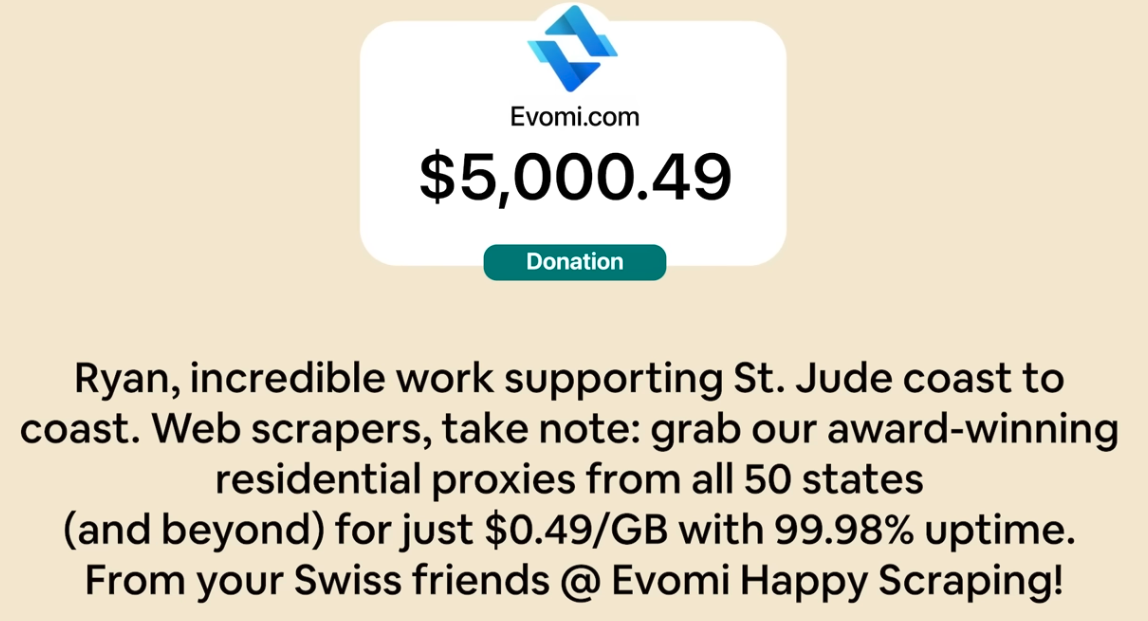
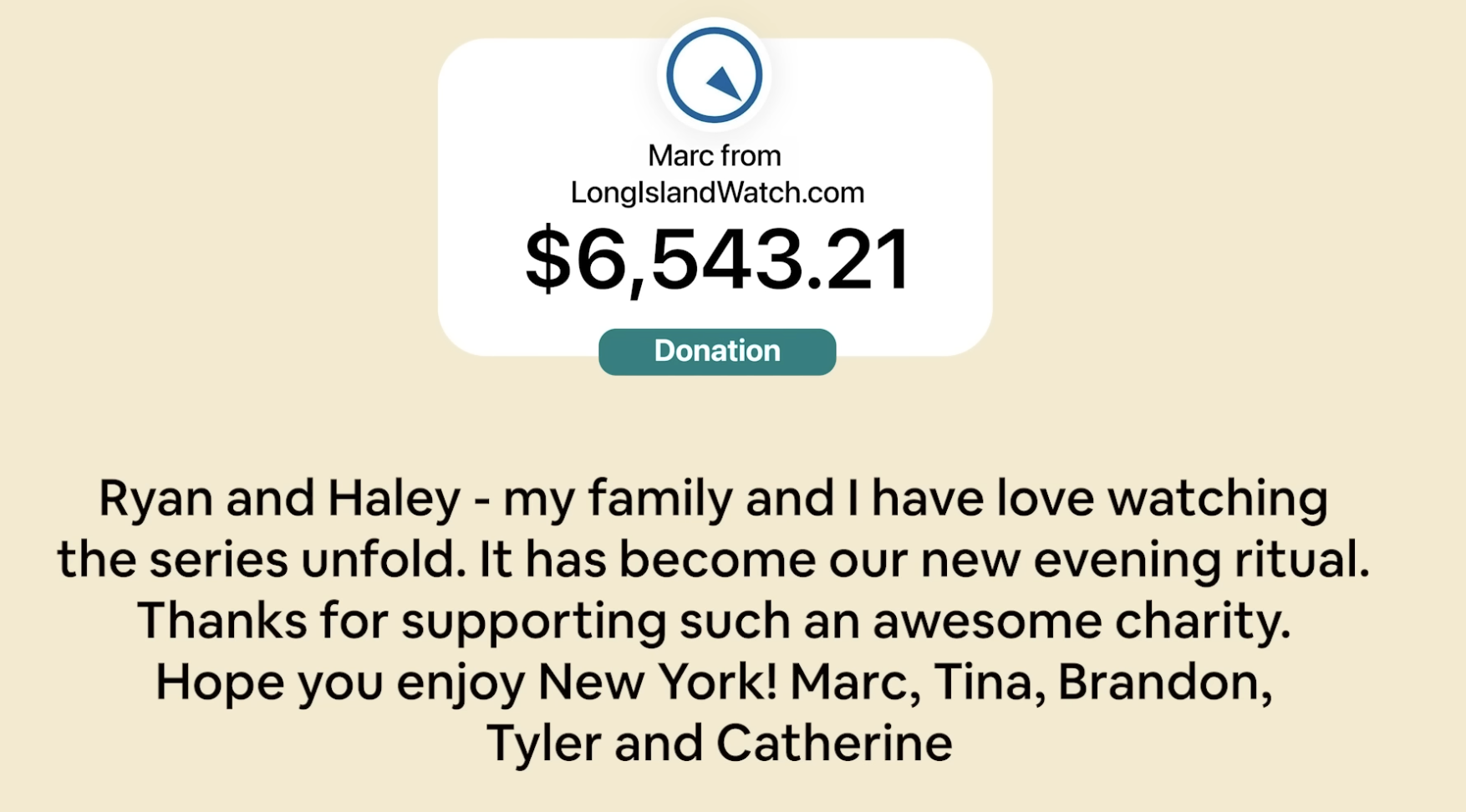
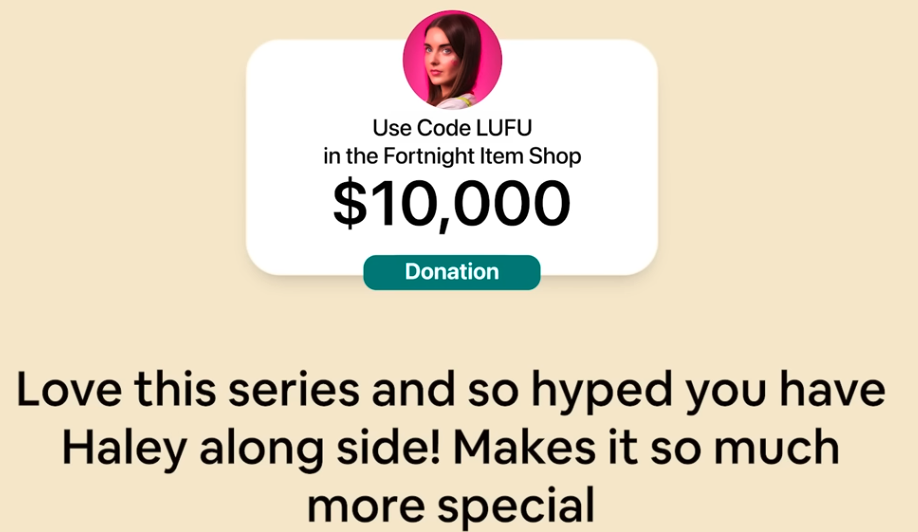
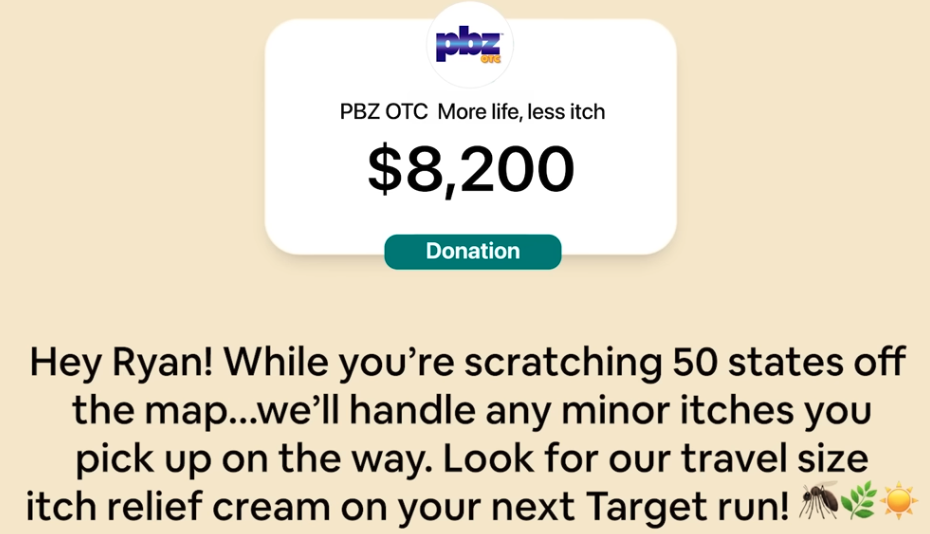
Donations of $5,000+ resulted in Ryan and Haley giving a verbal shoutout. The donor could post any message they wanted, and it would read aloud, accompanied by an on-screen visual. (Can you say marketing opportunity?)
Donations of $50,000-$99,999 would trigger the Wheel of Doom (WOD). Now, the WOD is a spin wheel, with each slice resulting in a “penalty” that must be accomplished before arriving at the next Airbnb (rules here). It could be something simple, like driving around until the gas tank hits E, or something more menacing, such as requiring the two of them to split up (Yes, this did happen … twice). However, there was one sliver of a wheel that granted a golden ticket, making them immune to the WOD for 24 hours once activated.
Donations over $100,000 allowed the donor to choose the WOD penalty, like Shopify did on day 43.
Following the Series
From day 1, this series became a family staple in my home. We’d try to watch it each night while eating dinner, but with vacations and other travel, we sometimes watched it in the morning or while ironing before a wedding.
From the moment I saw the first video, I blurted out, “Companies should be all over this!”
After all, B2B companies easily spend over $5,000 on paid ads, a webinar, to sponsor a podcast, or have an “influencer” mention their name in a social video. And here, an opportunity for companies to have a YouTuber with 21.3 million subscribers mention their brand name and read their message to people with undivided attention. Seems like a no-brainer opportunity, right?
Well, maybe.
I know what some of you are thinking: isn’t it just kids watching? Well, no. As I mentioned, this was a staple in our home. My 13 and 11-year-olds watched. My professional wife and my professional self watched. We talked about it with our adult friends. And, we discovered new brands in the process.
This is what made the series a genius piece of content. It wasn’t just about the younger audience; it was about the family audience. Need proof? Look no further than the donations read aloud during the series. Time and time again, those who donated mentioned they watched as a family — but how many actually watched?
The very first video had 1.8M views within the first 24 hours. It now has 10 million views. The worst-performing video in the series has 2.2M views. How do those eyeballs compare to a webinar you recently ran, a video with a “business influencer,” or a social media ad?
So, this series was content creation gold, but would it also be as golden a marketing opportunity for brands as it looked?
Let’s look at a couple of examples.
Did Companies Get Value From Donating to 50 States in 50 Days?
1. Lectric eBikes (“Lectric”). Lectric was the first big sponsor, donating $100K, activating the WOD. In the following episode, they delivered an ebike to Ryan and Haley, promising to donate an additional $10K each day he rode the bike during the series. This became a short segment commercial in each video. The bike looked fun, folded nicely, and drove rode me to their website.
In total, Lectric eBikes donated $610K for the series. But was it worth it?
According to Ahrefs (who, BTW, also donated in the series), the brand earned greater than 235M impressions and $7M worth of brand awareness during the series. He-llo!
2. Staple Games. The game developer company initially donated $100K on Day 30, activating the … W.O.D. The company promised to make additional donations based on incentives such as game downloads and in-game achievements. Here is where we begin to get an idea of how well the series could do for a company.
Remember, donors of $100K can choose their WOD penalty. They chose, of course, Silent Treatment, meaning no talking between Ryan and Haley during their trip to the next Airbnb. Nicely, Staple Games suggested Ryan and Haley use the time to play some of their games. This turned into an almost-daily product demo for the company.
They promised to donate $1 for every new game download through the remainder of the series. The next day, they donated $5,347. Then $6,600, $11,000, $16,000, $18,000, and so on. The product demos became longer and more detailed.
In the end, Staple Games became the top donor for the entire 50 States in 50 Days series, donating $815,642!
I wanted to know about their experience and how beneficial this effort was compared to other channels. I reached out to Staple Games, but have not heard back before this article was posted.
However, a user on Linkedin did some “simple math” and calculated that the company received $1.7M of UA value in US installs and $214K of UA value in in-app events (e.g., state unlocks), for a total of $1.9M in UA value on $815K of spend.
For both companies, the ROI seemed positive. But would smaller companies that couldn’t afford a $50K donation see the same benefits?
3. PieCalendar, an event calendar Plugin for WordPress, is a small company that typically spends very little on paid ads. Well, like me, watching was a daily ritual for them, and maybe that allure was too much for them to ignore. On day 27, they opened up their wallet and donated $5K.
So how’d they do?
Unlike Staple Games, they didn’t see the business ROI on their spend. The company told me they did see a spike in traffic (good product awareness), but they did not see as many converted sales during that period.
I had to ask, “Was it worth it?”
“One of our goals is to use our business to do good in the world, so in terms of a $5,000 donation that might help a kid survive childhood cancer, absolutely, it was worth it. We got to be a part of a huge fundraiser and a great project that helped tons of people, so the ROI is secondary to the actual impact the donation had on the cause.”
4. LongIslandWatch.com shared a similar story. The owner, Marc, had been watching the series with his family, and around day five, he realized he wanted to donate. Like PieCalendar, he didn’t do it for purely marketing purposes. On Day 25, Marc’s donation was seen by all.
“I really appreciated what he was doing and wanted to show my support,” Marc said. “If it were an advert, I would have pushed my socials or YouTube video. Though I must admit, the Staple Games thing was GENIUS.”
Knowing the immediate impact on his business wasn’t all that it could be, I asked Marc if he’d do it again.
“I’d do it again, simply from the altruistic aspect,” Marc told me. “I’m planning a donation to another cause that’s 10x the Trahan one, and it likely will see a much smaller audience.”
Was it worth it? How Successful Was 50 States in 50 Days for brands?
This answer depends on expectations. Evomi, a proxy services company, donated in episode 21. Pascal Mueller, Evomi’s Head of Growth, said, “Creator-led, mission-driven campaigns like Ryan’s deliver authenticity you can’t buy with traditional ads. We reached a broad and different audience, supported St. Jude, and built real goodwill—absolutely worth it.”
From an ROI standpoint, the series appeared to be a mixed bag. Companies like Staple Games and Lectric eBikes seemed to do extremely well. In fact, although Staple Games emerged late, they had so much success that they became the top donor in the entire series.
Larger brands such as Shopify, Dollar Shave Club, Starbucks, DoorDash, and T-Mobile, as well as lesser-known brands like MaceyMedia, Visco Software, PieCalendar, LongIslandWatch.com, and RoofMen, joined in the donation fun. Although some saw less ROI from a marketing perspective, those I spoke to were generally okay with that. For them, it was about giving back more than anything.
While the original fundraising goal was $1 million, the 50 States in 50 Days Series raised a total of $11,560,561.
Hats off to all who helped provide patients and families of St. Jude with a little more comfort during difficult times!
This was a great summertime series for families to enjoy. It was a great avenue for brands seeking exposure, and I’m sure others like myself discovered new brands as a result of the series.
I can’t help but wonder: what he heck am I going to watch next, and why I secretly hope it has brand donor ads at the end.
A Few On-Screen Examples of $5,000 Donations:
Here are just a few examples of brands that donated $5K along the way. I am posting for no other reason than for fun. Please reach out if you want your screenshot added.




Post-Purchase Email Marketing and Subject Line Examples
When it comes to post-purchase email marketing, it may just be the most underutilized yet powerful email marketing tactic there is. A strategic, well-thought-out series can help increase customer retention and help build brand loyalty and advocacy. The best part of all is that these messages are automated, generating revenue while you sleep.
Creating a series of messages designed to enhance the purchase experience is something every retailer should implement.
Post-purchase email marketing may be the most underutilized yet powerful email marketing tactic. A strategic, well-thought-out series can help increase customer retention and help build brand loyalty and advocacy. The best part of all is that these messages are automated, generating revenue while you sleep.
Creating a series of messages designed to enhance the purchase experience is something every retailer should implement. With each message and series sent, taking into consideration the individual's purchase history is important. After all, a loyal customer may not need the same nurturing or messaging as a first-time purchaser.
Post-Purchase Email Metrics
Order follow-up (2026)
Open rate: 47.63%
Click-to-sent: 4.01%
Conversion rate: 0.84%
Click-to-conversion: 20.87%
AOV: $129
Revenue per send: $1.08
Cross-sell (2026)
Open rate: 42.09%
Click-to-sent: 2.93%
Conversion rate: 0.75%
Click-to-conversion: 25.50%
AOV: $106
Revenue per send: $0.79
Feedback request/product review (2026)
Open rate: 50.70%
Click-to-sent: 3.66%
Conversion rate: 1.07%
Click-to-conversion: 29.16%
AOV: $131
Revenue per send: $1.40
For context, the average scheduled campaign email generates just $0.18 per send. Even the most modest post-purchase automation, cross-sell at $0.79, delivers more than 4 times that value. Order follow-up and feedback request emails both clear $1.00 per send, making them highly effective automated messages.
Types of Post-Purchase Email Messages
As you can see, post-purchase messages well outperform regular email campaigns, and there are no limits to the types of messages you could send in a post-purchase series, including:
“Thank you” message (w/ or w/o an incentive).
Product care/tips and tricks.
How-to resources.
Customer service info/guarantees.
Product recommendations or cross-selling opportunities.
Social invites or crowdsourcing (Share a photo with us!).
Manage preference request.
Product reviews.
Reorder reminders.
Gift-giving or date reminder requests.
Refer-a-friend invitations.
When building your automated post-purchase marketing program, have fun, be creative, and, most importantly, make your customers’ purchase experience better.
Post-Purchase Email Marketing Examples:



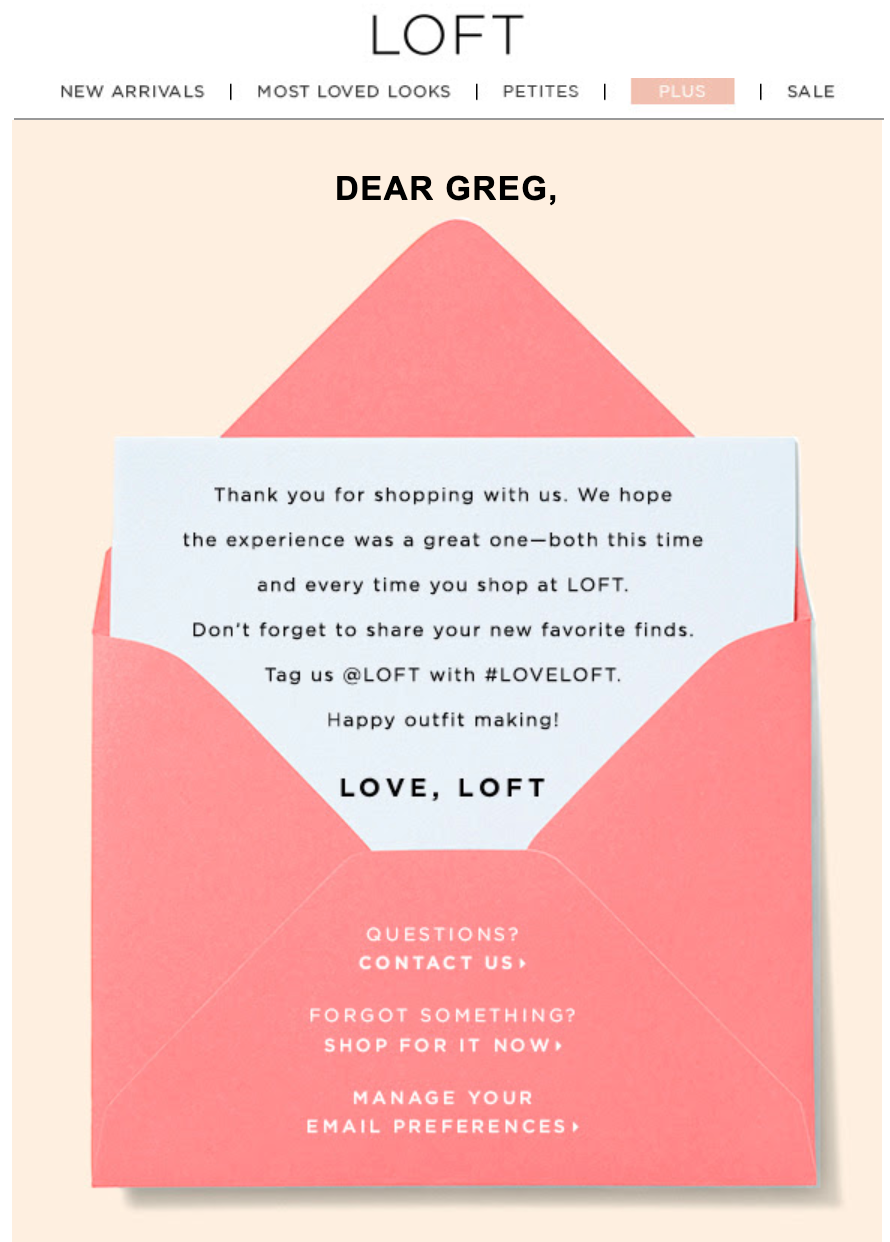



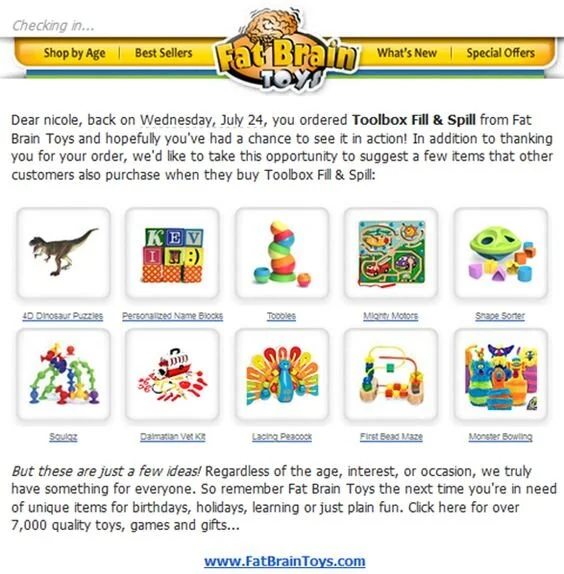


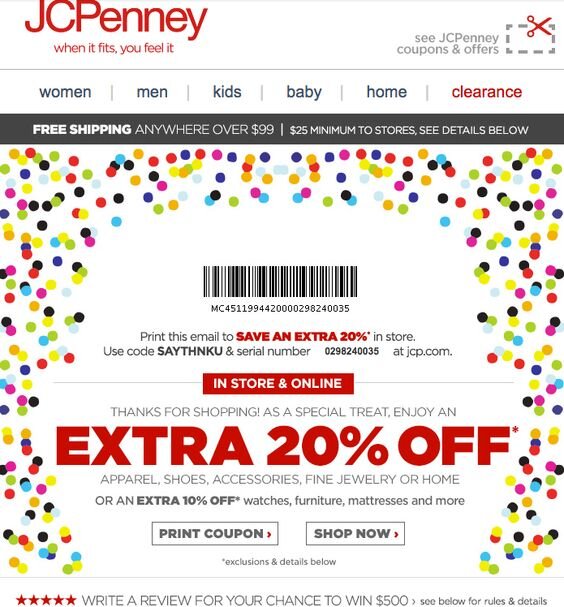


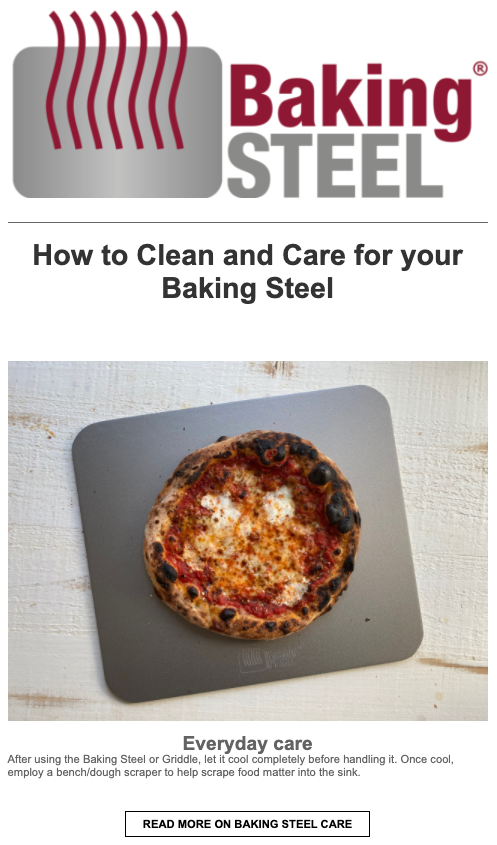



Post-Purchase email subject lines
Wow, thank you again! 💋
Seafood Grilling Tips That Set You Up for Succulent Success
Thanks For Your Order. Enjoy This Gift For You
Tips to make the most of your Bosch appliance
It’s happening – Your custom orthotics are on their way!
This is so exciting! Your impression kit is here.
Your personal exercise plan, Greg!
Thanks for your purchase – here’s a BONUS coupon to use the next time you shop!
Greg, read this before you set up your new TV.
Stick Up Cam 101: Tips and Tricks
How to Clean and Care for Your ______
Our Best Recipe(s) Ever!
Thank You!
Meet Your Perfect Pair 😍💕
Thank you for your recent purchase!
Thank you for shopping at _____!
[Video] Your Recent Coelho Purchase
Has anyone ever told you that you're incredible!
20% OFF | Our Thank You Gift To You 💕
Thanks again for your order
Thank you for making a LEGO® purchase. (message 1 of 4)
We hope yer hooked… (message 2 of 4)
Captain Brickbeard is ready for ya… (message 3 of 4)
1 month 'til you find the treasure... (message 4 of 4)
Other post-purchase articles:
Creating a Post-Purchase Email Strategy with Simple, Smart Segmentation
3 Ways to Cultivate Post-Holiday Customer Loyalty
Why Post-Purchase Marketing Is So Important
How to Create Post-Purchase Emails that Renew the Customer Journey
»» Have any questions about post-purchase email marketing? Let me know.
My Eye on Retail — Week of June 16
Here are the ecommerce, retail, social media, and other industry articles that caught my attention this week.
Ecommerce and retail stories that caught my attention, plus, some of my honorable mention Bluesky posts from this week.
Retail & ecommerce stories that caught my eye
1. Meta announces new AI tools for advertisers, including video generation and business assistants
2. Sam’s Club takes on Amazon Prime Day
3. US retail sales fell 0.9% in May as bigger-ticket items pulled back
4. Kirkland’s rebrands to Brand House Collective and plans a strategic turnaround
5. Meta and Oakley team up on stylish new HSTN AI smart glasses
✅ Follow me on Linkedin
✅ Follow me on Bluesky
Recapping the top retail news stories
bluesky posts of the week
I just got rid of my glasses and now they're all turning smart. Like it or not, I think smart glasses are here to stay. www.theverge.com/news/690133/... #smartglasses #meta #oakley #ecommerce #retail
— Greg Zakowicz (@gregzakowicz.com) June 20, 2025 at 9:53 AM
[image or embed]
The race to be the all-in-one social platform of consequence continues. www.socialmediatoday.com/news/meta-an... #socialmedia #socialcommerce #meta #ecommerce
— Greg Zakowicz (@gregzakowicz.com) June 20, 2025 at 9:48 AM
[image or embed]
Amazon doesn't have pizza now, do they? chainstoreage.com/news-briefs/... #primeday #samsclub #retail
— Greg Zakowicz (@gregzakowicz.com) June 20, 2025 at 9:37 AM
[image or embed]
81% expect to adjust their finances or shopping habits in response to the tariffs chainstoreage.com/heres-how-ta... #tariffs #ecommerce #retail #consumers
— Greg Zakowicz (@gregzakowicz.com) June 20, 2025 at 9:35 AM
[image or embed]
Spending slows www.cnn.com/2025/06/17/e... #ecommerce #retail
— Greg Zakowicz (@gregzakowicz.com) June 18, 2025 at 12:35 PM
[image or embed]
You don't say? chainstoreage.com/survey-most-... #Ecommerce #retail #Tariffs #Consumers
— Greg Zakowicz (@gregzakowicz.com) June 16, 2025 at 5:14 PM
[image or embed]
Enjoyed my time on the Email After Hours podcast. youtu.be/C1lALM9LROg?... #EmailMarketing #EmailGeeks #Ecommerce #validity
— Greg Zakowicz (@gregzakowicz.com) June 16, 2025 at 2:03 PM
[image or embed]
“Credit card fees are generally the worst because it’s a sizable cost compared to the final price at checkout" www.ntd.com/retailers-ar... #Ecommerce #retail #diningout
— Greg Zakowicz (@gregzakowicz.com) June 16, 2025 at 1:42 PM
[image or embed]
Follow me on Linkedin and Bluesky at https://bsky.app/profile/gregzakowicz.com
My Eye on Retail — Week of June 9
Here are the ecommerce, retail, social media, and other industry articles that caught my attention this week.
Ecommerce and retail stories that caught my attention, plus, some of my honorable mention Bluesky posts from this week.
Retail & ecommerce stories that caught my eye
1. CNBC/NRF Retail Monitor Shows Continued Sales Growth But Less Stocking Up Ahead of Tariffs
2. Pizza delivery leading to e-commerce growth at Walmart’s Sam’s Club
3. Walmart puts 'Sparky' next-generation AI assistant into wide release
4. TikTok Outlines Shopping Returns Policies as Extended US Sell-Off Deadline Looms
5. Private label beer is having a moment. Should grocers order a round?
✅ Follow me on Linkedin
✅ Follow me on Bluesky
Recapping the top retail news stories
bluesky posts of the week
Private labels continue to soar. This reminds me that when I was a kid a local grocer sold beer in a yellow can that just said, "Beer." www.grocerydive.com/news/private... #ecommerce #retail #privatelabel
— Greg Zakowicz (@gregzakowicz.com) June 13, 2025 at 2:06 PM
[image or embed]
I have a lot to day on this topic, coming soon :) chainstoreage.com/how-prepare-... #AI #agenticAI #ecommerce
— Greg Zakowicz (@gregzakowicz.com) June 13, 2025 at 2:04 PM
[image or embed]
Not sure I needed a survey to tell me this. chainstoreage.com/survey-major... #ecommerce #retail #consumers
— Greg Zakowicz (@gregzakowicz.com) June 12, 2025 at 2:12 PM
[image or embed]
A necessary step to become a legit shopping destination. www.socialmediatoday.com/news/tiktok-... #tiktok #tiktokshop #socialcommerce #socialmedia #ecommerce
— Greg Zakowicz (@gregzakowicz.com) June 10, 2025 at 3:03 PM
[image or embed]
NC + NC for the win. While shopping at Lowe's often frustrates me, I like what they're doing from a business side. chainstoreage.com/mrbeast-help... #Mrbeast #lowes #retail #genz #ecommerce
— Greg Zakowicz (@gregzakowicz.com) June 10, 2025 at 3:01 PM
[image or embed]
Predicted this. In fact, I recorded a short video last week saying exactly this — although the video isn't out yet, which makes it kind of besides the point :) chainstoreage.com/news-briefs/... #back2school #ecommerce #retail #B2S
— Greg Zakowicz (@gregzakowicz.com) June 10, 2025 at 2:58 PM
[image or embed]
Release the bots ... that go by the same name as my childhood Pound Puppy! chainstoreage.com/walmart-puts... #AI #ecommerce #walmart #retail
— Greg Zakowicz (@gregzakowicz.com) June 10, 2025 at 2:55 PM
[image or embed]
Follow me on Linkedin and Bluesky at https://bsky.app/profile/gregzakowicz.com
My Eye on Retail — Week of June 2
Here are 5 ecommerce, retail, social media, and other industry articles that caught my attention this week.
Ecommerce and retail stories that caught my attention, plus, some of my honorable mention Bluesky posts from this week.
Retail & ecommerce stories that caught my eye
1. Dollar General says its new high-income shoppers are ‘making more trips and spending more’
2. Survey: Social media overtakes search engines among Gen Z
3. U.S shoppers already worried about rising costs of holiday essentials
4. Amazon is making Prime Day a four-day event in 2025
5. Amazon ‘testing humanoid robots to deliver packages’
✅ Follow me on Linkedin
✅ Follow me on Bluesky
Recapping the top retail news stories
bluesky posts of the week
This seems more like an addition than a replacement. There is no way these walk faster than humans, especially across landscaping and other features. www.theguardian.com/technology/2... #Amazon #delivery #robots
— Greg Zakowicz (@gregzakowicz.com) June 6, 2025 at 10:00 AM
[image or embed]
Amazon moving from 2 days to 4 days for its big sale. That's a whole lot of extra ad sales! www.modernretail.co/operations/a... #amazon #primeday #ecommerce
— Greg Zakowicz (@gregzakowicz.com) June 5, 2025 at 1:49 PM
[image or embed]
In other words, they want cheaper prices. chainstoreage.com/survey-consu... #ecommerce #retail
— Greg Zakowicz (@gregzakowicz.com) June 5, 2025 at 1:28 PM
[image or embed]
99% of the time, thinking customer loyalty is real sets you up to fail. Modern-day loyalty is about being one of the first options, not THE option. Brands that don't approach their customers with this perspective will lose big when journeys move from human to AI-assisted. #Customerloyalty #AI
— Greg Zakowicz (@gregzakowicz.com) June 5, 2025 at 10:38 AM
Temu struggling to find its value-prop in the US. It built its reputation on cheap prices and lower quality products. When cheap prices go away, you're left with lower quality. Not a winning combo in my opinion. retailwire.com/temu-us-dail... #Temu #tariffs #deminimis #ecommerce #retail
— Greg Zakowicz (@gregzakowicz.com) June 5, 2025 at 8:36 AM
[image or embed]
Product discovery continues to change, and AI will only make it messier. chainstoreage.com/survey-socia... #SocialMedia #GenZ #Search #Ecommerce
— Greg Zakowicz (@gregzakowicz.com) June 4, 2025 at 4:07 PM
[image or embed]
Just like Walmart's been seeing for the past year-plus! This should be worrisome, as high0income shoppers don't prefer to shop at DG. www.modernretail.co/operations/d... #DollarGeneral #Retail #Economy
— Greg Zakowicz (@gregzakowicz.com) June 4, 2025 at 4:05 PM
[image or embed]
Say goodbye to canned beer and soda??? www.cbsnews.com/news/tariff-... #retail #tariffs #ecommerce
— Greg Zakowicz (@gregzakowicz.com) June 4, 2025 at 3:42 PM
[image or embed]
The race continues www.pymnts.com/news/artific... #ecommerce #walmart #AI #agenticAI #retail
— Greg Zakowicz (@gregzakowicz.com) June 2, 2025 at 12:17 PM
[image or embed]
You may like hiking, but price hiking is less fun! Walmart warned of this, and it appears to be tricking in. The question on my mind: how will this impact back-to-school shopping? www.businessinsider.com/walmart-pric... #Ecommerce #retail #walmart #tariffs
— Greg Zakowicz (@gregzakowicz.com) June 2, 2025 at 11:18 AM
[image or embed]
Follow me on Linkedin and Bluesky at https://bsky.app/profile/gregzakowicz.com
My Eye on Retail — Week of May 26
Here are 5 ecommerce, retail, social media, and other industry articles that caught my attention this week.
Ecommerce and retail stories that caught my attention, plus, some of my honorable mention Bluesky posts from this week.
Retail & ecommerce stories that caught my eye
1. Sam’s Club launches online pizza delivery
2. Consumer confidence rebounds in May amid increased optimism
3. GameStop Buys $512 Million in Bitcoin, Stock Price Slides on the News
4. Victoria’s Secret Latest Hit in Growing Swath of Retail Cyber Attacks
5. Amazon pilots audio product summaries
✅ Follow me on Linkedin
✅ Follow me on Bluesky
Recapping the top retail news stories
bluesky posts of the week
As personal AI appears to be centered around voice, Amazon's Alexa dreams may finally be coming true. But how will it all work when shopping, something that is more visual than anything? www.retaildive.com/news/amazon-... #ecommerce #retail #Alexa #AI
— Greg Zakowicz (@gregzakowicz.com) May 30, 2025 at 9:42 AM
[image or embed]
Want to invest in Bitcoin without investing in Bitcoin? This is becoming commonplace, but should public companies also be financial investors? retailwire.com/gamestop-buy... #retail #ecommerce
— Greg Zakowicz (@gregzakowicz.com) May 29, 2025 at 1:52 PM
[image or embed]
It's still not all roses at HQ chainstoreage.com/macys-q1-top... #ecommerce #retail
— Greg Zakowicz (@gregzakowicz.com) May 29, 2025 at 1:50 PM
[image or embed]
Can Temu survive in the US ... or will they even want to? omnitalk.blog/2025/05/28/t... #ecommerce #retail #Temu
— Greg Zakowicz (@gregzakowicz.com) May 29, 2025 at 1:38 PM
[image or embed]
Follow me on Linkedin and Bluesky at https://bsky.app/profile/gregzakowicz.com
The Retail (Blue)Sky is Falling — Week of May 19
Here are 5 ecommerce, retail, social media, and other industry articles that caught my attention this week.
Ecommerce and retail stories that caught my attention, plus, some of my honorable mention Bluesky posts from this week.
Retail & ecommerce stories that caught my eye
Friday: Nike reportedly to hike prices on some items — and resume selling on Amazon
Thursday: TikTok Adds a Dedicated AI Assistant for In-App Sellers
Wednesday: Google rolls out agentic AI checkout, expands virtual try-on
Tuesday: Study: Rising prices shaking up consumer loyalty and shopping behavior
Monday: Target removes same-day delivery markups for loyalty members
✅ Follow me on Linkedin
✅ Follow me on Bluesky
Recapping the top retail news stories
bluesky posts of the week
When an AI chatbot is more than a chatbot but is really just a chatbot. Okay, got it! www.socialmediatoday.com/news/tiktok-... #Ecommerce #retail #tiktokshop #tiktok #AI
— Greg Zakowicz (@gregzakowicz.com) May 23, 2025 at 8:46 AM
[image or embed]
Earnings roundup: 👍 TJX chainstoreage.com/tjx-sales-ri... 👍 BJ chainstoreage.com/bjs-earnings... 👍 LOW www.cnbc.com/2025/05/21/l... 👎 TGT omnitalk.blog/2025/05/22/t... #earnings #ecommerce #retail
— Greg Zakowicz (@gregzakowicz.com) May 22, 2025 at 12:47 PM
[image or embed]
Discretionary retailers become, well, discretionary. They need a strong back-to-school season! omnitalk.blog/2025/05/22/t... #ecommerce #retail #target #tariffs
— Greg Zakowicz (@gregzakowicz.com) May 22, 2025 at 12:42 PM
[image or embed]
More capabilities for Alexa+ chainstoreage.com/amazon-pilot... #Ecommerce #retail #Alexa
— Greg Zakowicz (@gregzakowicz.com) May 22, 2025 at 8:57 AM
[image or embed]
So much drama in the VSc chainstoreage.com/victorias-se... #retail #ecommerce
— Greg Zakowicz (@gregzakowicz.com) May 21, 2025 at 2:07 PM
[image or embed]
The race to dramatically alter the brand-customer relationship is on. More on this from me soon. chainstoreage.com/google-rolls... #ecommerce #retail #AI #shopping #google
— Greg Zakowicz (@gregzakowicz.com) May 21, 2025 at 10:53 AM
[image or embed]
"That's a bold move, Cotton." Sacrificing profits for sales — probably assuming per-shopper AOV will increase (and it will probably will). I'll allow it! www.retailcustomerexperience.com/news/home-de... #tariffs #homedepot #retail #ecommerce #economy
— Greg Zakowicz (@gregzakowicz.com) May 20, 2025 at 4:16 PM
[image or embed]
Loyalty, in the traditional sense, has been mostly dead for some time. I view the new definition of loyalty as, your brand being the first option when someone decides they want to buy. chainstoreage.com/study-rising... #ecommerce #retail #loyalty #customerloyalty #economy
— Greg Zakowicz (@gregzakowicz.com) May 20, 2025 at 4:11 PM
[image or embed]
Absolutely trying to create more value for its subscribers and compete with Walmart+ chainstoreage.com/target-remov... #ecommerce #retail #target #walmart
— Greg Zakowicz (@gregzakowicz.com) May 19, 2025 at 3:44 PM
[image or embed]
Follow me on Linkedin and Bluesky at https://bsky.app/profile/gregzakowicz.com
The Retail (Blue)Sky is Falling — Week of May 12
Here are 5 ecommerce, retail, social media, and other industry articles that caught my attention this week.
Ecommerce and retail stories that caught my attention, plus, some of my honorable mention Bluesky posts from this week.
Retail & ecommerce stories that caught my eye
Friday: Survey: Younger consumers drive online growth, cite major delivery issues
Thursday: Walmart Rises As Earnings Top Views; Dow Giant Says Tariff Price Hikes Coming Soon
Wednesday: Consumer spending intentions plunge to two-year low
Tuesday: Three predictions for 2025 back-to-school shopping
Monday: U.S. and China agree to slash tariffs for 90 days as trade talks continue
✅ Follow me on Linkedin
✅ Follow me on Bluesky
honorable mention bluesky posts of the week
American Eagle expects a net operating loss of around $85 million and an adjusted operating loss of about $68 million — yikes!! chainstoreage.com/news-briefs/... #Economy #retail #ecommerce
— Greg Zakowicz (@gregzakowicz.com) May 15, 2025 at 9:13 AM
[image or embed]
Because they're not already high enough?? Just what the average American needs. (sarcasm) www.nbcnews.com/business/bus... #ecommerce #retail #tariffs #economy
— Greg Zakowicz (@gregzakowicz.com) May 15, 2025 at 8:59 AM
[image or embed]
The UK was feeling left out, I guess? I do wonder, will this actually translate to less holiday spending OR will people want so desperately to feel "normal" again they increase their holiday budgets? www.retailgazette.co.uk/blog/2025/05... #economy #ecommerce #retail #BFCM
— Greg Zakowicz (@gregzakowicz.com) May 13, 2025 at 5:25 PM
[image or embed]
"94% of consumers will prioritize low prices for school supplies." — Private labels winning big right now!! chainstoreage.com/parents-seek...? #ecommerce #retail #backtoschool #marketing
— Greg Zakowicz (@gregzakowicz.com) May 12, 2025 at 4:02 PM
[image or embed]
You may want to rethink those "NoReply" send-from addresses. Plus, who knew list hygiene was the hot new kid on the block? techcommunity.microsoft.com/blog/microso... #emailmarketing #mailgeeks #deliverability #ecommerce
— Greg Zakowicz (@gregzakowicz.com) May 12, 2025 at 11:13 AM
[image or embed]
More tariff news. Both countries needed these to come down, but neither wants to admit it. Also, how long before Temu (non-local) is again up and selling in the US? www.nbcnews.com/world/asia/t... #ecommerce #retail #tariffs #economy
— Greg Zakowicz (@gregzakowicz.com) May 12, 2025 at 10:33 AM
[image or embed]
Follow me on Linkedin and Bluesky at https://bsky.app/profile/gregzakowicz.com
The Retail (Blue)Sky is Falling — Week of May 5
Here are 5 ecommerce, retail, social media, and other industry articles that caught my attention this week.
Ecommerce and retail stories that caught my attention, plus, some of my honorable mention Bluesky posts from this week.
Retail & ecommerce stories that caught my eye
Friday: Amazon now sells prescription pet pill
Friday: Trump suggests cutting China tariff to still-high 80% ahead of U.S.-Beijing trade talks
Thursday: Instagram Launches First Official Use of Unlockable Reels
Wednesday: Apple’s Eddy Cue: ‘You may not need an iPhone 10 years from now’
Monday: Temu reportedly ends U.S. direct shipments from China
✅ Follow me on Linkedin
✅ Follow me on Bluesky
honorable mention bluesky posts of the week
Ruh Roh Shaggy! arstechnica.com/security/202... #ecommerce #retail
— Greg Zakowicz (@gregzakowicz.com) May 7, 2025 at 4:09 PM
[image or embed]
If you plan to spend, how much are you planning? chainstoreage.com/news-briefs/... #mothersday #ecommerce #shopping #marketing
— Greg Zakowicz (@gregzakowicz.com) May 6, 2025 at 9:32 AM
[image or embed]
Pinterest debuts generative AI-based visual search features chainstoreage.com/pinterest-de... #socialmedia #pinterest #ecommerce
— Greg Zakowicz (@gregzakowicz.com) May 6, 2025 at 8:52 AM
[image or embed]
Follow me on Linkedin and Bluesky at https://bsky.app/profile/gregzakowicz.com
The Retail (Blue)Sky is Falling — Week of April 28
Here is a collection of ecommerce and retail industry articles I found interesting and some correlating Bluesky posts from the week.
Ecommerce and retail stories that caught my attention, plus, some of my Bluesky posts from this week.
Retail & ecommerce stories that caught my eye
Friday: Ecommerce Trends: What tariffs are doing to toys ahead of the 2025 holiday season
Thursday: Visa and Mastercard unveil AI-powered shopping
Wednesday: Beyond to open Overstock stores, test BuyBuy Baby location
Tuesday: China Tariffs Cast Shadow Over Amazon’s Prime Day As Sellers Pull Back
Monday: Temu customers in the U.S. hit with steep import charges due to tariffs
bluesky posts of the week
Will this mean less competition from sellers? Is that a good thing, and if so, for who (sellers or buyers)? And how much could this hurt Amazon ad revenues during Prime Day? omnitalk.blog/2025/04/29/c... #ecommerce #retail #marketing #primeday #tariffs
— Greg Zakowicz (@gregzakowicz.com) May 2, 2025 at 8:40 AM
[image or embed]
This is an area I am curious to watch play out. People are slow to change behavior. I more curious about these tools buying things that are way off the mark — and then how credit card companies deal with the aftermath. techcrunch.com/2025/04/30/v... #ecommerce #retail #AI #Marketing #agenticAI
— Greg Zakowicz (@gregzakowicz.com) May 1, 2025 at 8:53 AM
[image or embed]
It's going to be a challenging year for ecom brands. » Inflation is up. » Discretionary spending is down. » Consumer confidence is low. That’s not a recipe for success But what does it mean for brands? martechvibe.com/article/trus... #ecommerce #retail #inflation #tariffs #economy
— Greg Zakowicz (@gregzakowicz.com) April 30, 2025 at 12:24 PM
[image or embed]
I'm excited to join Kayle Larkin & Chase Dimond on 5/7 to talk about how to turn browsers into buyers using high-intent email & SMS flows. It's free & we'll smile, so come join us! 👉 go.getelevar.com/turn-browser... #ecommerce #retail #consumerconfidence #marketing #SMS #emailgeeks
— Greg Zakowicz (@gregzakowicz.com) April 30, 2025 at 10:07 AM
[image or embed]
A $32 import charge on a $23 item? Will Americans curb their shopping on sites like Temu as they said they would in this report » www.omnisend.com/temu-vs-amaz... #Ecommerce #retail #tariffs
— Greg Zakowicz (@gregzakowicz.com) April 28, 2025 at 11:52 AM
[image or embed]
Follow me on Bluesky at https://bsky.app/profile/gregzakowicz.com
Trust is Currency: Capturing Every Sale in a Downturn
Overall consumer confidence may be fading but that doesn’t mean brands can’t take steps to build value and establish trust. By staying laser-focused on the customer and delivering exceptional experiences, brands can force shoppers to think twice before purchasing from other stores. Here are three simple ways brands can protect themselves from a downturn.
Let me say it plainly: 2025 is shaping up to be a challenging year for ecommerce brands. Inflation is up. Discretionary spending is down. Consumer confidence is low. That’s not a recipe that’s traditionally good for many businesses. But what does it really mean?
I am not an economist, nor do I play one on TV. I connect the dots and call it as I see it. When inflation was reportedly down I looked around and saw plenty of things continuing to increase. I felt little, if any, relief. I saw discretionary spending among friends, family, and vacation goers begin to slow. That micro view was telling and was slowly emerging at the macro level.
That was all before tariffs, potential trade wars, and geopolitical instability we currently find ourselves in. So what do I see coming for ecommerce brands in 2025 and how can they adapt to grow, or worst case, stay afloat this year?
Let me explain and explore.
State of The Consumer and Spending
We feel it: consumers are on edge. Prices on everyday goods and services continue to increase, tariffs are expected to increase prices further, discretionary spending is decreasing, government layoffs are adding to unemployment numbers, and overall consumer confidence is low. February’s Consumer Confidence Report was ugly. March was even worse, showing a decrease of 7.2 points in the Consumer Confidence Index, the biggest drop since we were in the throes of the pandemic. Maybe more concerning, the Expectation Index dropped by 9.6 points, finishing at 65.2. A score under 80 typically signals a recession is on the way — something even the President couldn’t rule out.
Over the past year-plus, we’ve seen consumer shopping habits shift toward a value-first mindset with purchases, trading down, often to private labels, when value aligns. This shift to value-minded shopping has resulted in consumers spending a larger share of their wallets with stores, meaning there are fewer purchases to go around. This trend of consolidated shopping was on full display during BFCM week this past holiday shopping season, which saw overall order volumes dip while the average order value increased 55% year-over-year, increasing from $152.54 to $235.94.
These changes have benefited large, price-focused retailers like Amazon and Walmart. Walmart, in particular, has seen its share of higher-income households increase from this change, indicating that families of all incomes are feeling the squeeze. But even these brands aren’t immune. Walmart, Target, Amazon, Costco, Lowe’s, and even airlines are forecasting a further pullback on spending in 2025.
Then there are tariffs. We don’t quite know the full impact tariffs will have on spending, but brands are expected to raise prices to maintain profits. Target has publicly said prices will increase on many products, from produce to clothing. Companies like Walmart may have enough buying power to mitigate some price increases, but they won’t be immune. Reciprocal tariffs imposed on US exports will further impact domestic prices.
Shoppers have turned to stores like Amazon, Temu, and Shein to save money, but many products sold on those platforms are made in China and, as of May 2, no longer qualify for the de minimis exemption, exposing them to price increases. In response, Temu and Shein have already announced they will raise prices as of late April.
Though US consumers trust Temu less than Amazon, sometimes money talks — but only so much. Nearly 20% of shoppers said they’d stop purchasing products on Temu if prices went up significantly. This could quickly become a reality if there are substantial changes to de minimis exemptions, which the President has talked about.
My view: inflation isn’t going anywhere anytime soon. Groceries and insurance will continue to gouge Americans’ wallets. Unemployment will increase, and consumers will spend less.
My theme for this year is to capture every … sale … possible.
What Can Brands Do?
Overall consumer confidence may be fading but that doesn’t mean brands can’t take steps to build value and establish trust. By staying laser-focused on the customer and delivering exceptional experiences, brands can force shoppers to think twice before purchasing from other stores. Here are three simple ways brands can protect themselves from a downturn.
1. Utilize High-ROI and First-Party Marketing Channels
The bigger the ROI the bigger the profits. One of the consistently best ROI marketing channels is email at 68:1. Email open rates continue to increase year over year, ending 2024 at a healthy 26%. We’ve also seen click-to-conversion rates increase, indicating that when consumers find something they want to purchase, they do so.
In addition to email, SMS is another first-party channel that consumers increasingly prefer. In 2024, Omnisend’s US customers generated $25 million in SMS-generated sales. Conversion rates for scheduled SMS campaigns finished the year better than those for email campaigns. Brands should capitalize on both channels’ effectiveness and continue growing their email and SMS lists.
2. Rely on Automations
Email and SMS automation helps brands capture every possible sale because they are sent based on users’ actions at high-intent stages of the shopping journey, such as visiting a product page or abandoning a shopping cart. Automated emails generate 37% of all email marketing sales and only 2% of sends.
As we navigate through 2025, a post-purchase messaging strategy will be critical for customer retention and capturing every possible sale. Brands should create a series of messages that enhance customers’ experiences, such as how-to, tips and tricks, and customer service-oriented messages. These can be the difference between a repeat sale and a lost customer.
3. Reinforce Brand Value
Shoppers are value-driven, but this can mean more than price. It can be a combination of differentiators such as product quality, customer service, and shipping and return policies. Brands should actively promote these differentiators on websites, email messages, and social media platforms. Constant reinforcement can help shoppers see the overall value, even if a brand and its products aren’t the lowest prices.
Looking ahead
In the best-case scenario, geopolitical tensions will stabilize, inflation will recede, and consumer confidence will rise. Worst case, we enter a full-blown recession causing economic ripples around the globe. In either case, ecommerce is strong and resilient. Brands making the effort now to prove their value to consumers and to create a stellar purchase experience will be the ones that grow during these challenging times. We did it before, we’ll do it again.
»» This article originally appeared on Martechvibe