Featured Post: My Reading & Podcast List
Here are recent books I’ve read and podcasts I enjoy. If you’re looking for something interesting to listen to or read, these are a few that have stood out to me. Let me know if you have a recommendations.
The Brief: Sam’s Club’s One-Hour Delivery, MarTech Replacement Rates Slow, Affiliate Content Performance, and Ulta Beauty and Agentic Commerce
Today's retail and marketing brief covers Sam's Club's aggressive move into ultra-fast delivery, the slowdown in MarTech platform churn, growing attribution challenges for affiliate marketers in the AI age, and Ulta Beauty's deployment of agentic commerce through Google Gemini.
Today's Azimuth brief covers Sam's Club's aggressive move into ultra-fast delivery, the slowdown in MarTech platform churn, growing attribution challenges for affiliate marketers in the AI age, and Ulta Beauty's deployment of agentic commerce through Google Gemini.
Today's stories:
• Sam's Club launches one-hour express delivery nationwide
• MarTech replacement rates drop as companies shift focus to efficiency
• Brands struggle to measure affiliate content performance in the AI age
• Ulta Beauty deploys agentic commerce with Google Gemini
1. Sam's Club Launches One-Hour Express Delivery Nationwide
Sam's Club has rolled out one-hour Express delivery across all 600-plus stores, taking aim at Amazon's delivery dominance with a $10 service for Plus members. Since launching on April 2, the retailer has fulfilled nearly 65,000 orders with an average delivery time of 55 minutes. The 10 fastest deliveries clocked in under 12 minutes.
Members now choose between two tiers: the new one-hour service ($10 for Plus, $22 for Club members) or the existing three-hour option ($5 for Plus, $17 for Club). There's no purchase minimum, and items are priced the same as in-club with no markups.
What people are ordering reveals the shift from novelty to necessity. A significant share includes everyday essentials like bottled water, produce, rotisserie chicken, and paper goods. New parents in Amarillo got baby supplies in 11 minutes. Pet owners in Louisville received cat food at the same time.
2. MarTech Replacement Rates Slow as Companies Shift Focus to Efficiency
Source: MarTech.org
Marketing technology replacement rates are declining as companies shift from constant platform churn to extracting more value from existing stacks. Rather than ripping and replacing every few years, marketing leaders are doubling down on optimization, integration, and getting teams to actually use the tools they already have.
The change reflects broader economic pressure and MarTech maturation. Budgets are tighter, implementations are expensive, and switching costs are real. Teams are realizing that the problem often isn't the technology itself, but how it's deployed, integrated, and adopted across the organization.
This shift from churn to efficiency has implications for both vendors and practitioners. Vendors need to focus on retention, expansion, and proving ROI rather than purely acquisition. For marketers, it means getting serious about change management, training, and making sure the stack they have is fully leveraged before adding more to it.
3. Brands Struggle to Measure Affiliate Content Performance in the AI Age
Brands like Adobe and Away are finding it increasingly difficult to measure how well their affiliate content performs as AI search engines and chatbots reshape discovery. Traditional tracking mechanisms break down when content gets summarized, rewritten, or pulled into AI-generated responses rather than driving direct clicks to publisher sites.
The challenge is attribution. When someone asks an AI assistant for product recommendations, and the AI synthesizes information from affiliate content without sending users to the original review or comparison article, how do you measure that influence? How do you credit the affiliate partner when the transaction happens three steps removed from their content?
This is a problem. Affiliate marketing has traditionally relied on clear click-and-conversion paths. AI intermediaries muddy those waters. Brands and affiliates will need new frameworks for tracking influence and crediting referrals in an environment where content gets consumed indirectly through AI summaries rather than direct site visits.
4. Ulta Beauty Deploys Agentic Commerce with Google Gemini
Ulta Beauty is making its products shoppable directly within Google Search and the Gemini app, adopting the Universal Commerce Protocol to enable agentic commerce. The retailer is also launching Ulta AI, a shopping assistant built with Gemini Enterprise that leverages insights from Ulta's 46 million member base.
The UCP integration allows AI agents to interact with Ulta's ecommerce platform, meaning shoppers can discover, compare, and complete purchases without leaving the AI interface. This puts Ulta into the emerging agentic commerce flow where discovery, intent, and purchase are stitched together in a single interaction.
Beauty is a high-friction vertical where visual signals, brand trust, and personalization matter. Ulta's loyalty dataset and curated assortments give it a defensible advantage versus general marketplaces that win on logistics. The partnership positions Ulta to capture demand as shopping behavior shifts from browsing sites to asking assistants for recommendations.
That's it for today.
The Brief: Staples-Party City Partnership, Amazon's GLP-1 Program, Record Mother's Day Spending, and Parents' Digital Shopping Surge
News: stories Staples and Party City announced a strategic partnership bringing party supplies to 700+ stores, while Amazon One Medical launched a GLP-1 weight loss program starting at $149/month. Also: Mother's Day spending is expected to hit a record $38 billion, and new research shows parents engage in 50% more digital shopping days than average consumers.
Welcome to The Azimuth Brief for April 22, 2026. Here are the top retail and ecommerce stories that caught my attention.
Today's most interesting stories:
Staples partners with Party City in 700+ stores nationwide
Amazon launches GLP-1 weight loss program through One Medical
Mother's Day spending expected to hit record $38 billion
Parents drive 50% more digital shopping activity than average consumers
1. Staples and Party City Partner to Bring Party Supplies to 700+ Stores Nationwide
Staples and Party City announced a strategic partnership bringing Party City inside more than 700 Staples locations nationwide, just in time for graduation season. The collaboration makes Party City's selection of balloons, décor and party supplies available alongside Staples same-day print and marketing services, creating a single destination for personal and professional occasions.
The in-store experience features latex and foil balloons inflated with helium and ready to take home. Customers can choose from a range of colors, sizes, and designs. In the coming weeks, customers will also be able to schedule balloon pickups in advance through Staples.com and the Staples app.
Staples is celebrating the partnership with a buy 2, get 1 free offer on select foil balloons, valid through mid-June in store and online for in-store pickup. The deal applies to regularly priced foil balloons up to $6.99, with the discount applying to the lowest-priced item.
2. Amazon Launches GLP-1 Weight Loss Program Through One Medical
Amazon One Medical launched a comprehensive GLP-1 management program integrating weight loss treatment with primary care. The program combines virtual and in-person appointments, medication management, and pharmacy fulfillment through Amazon Pharmacy, positioning weight management as a long-term chronic condition rather than a one-off prescription.
The program offers oral GLP-1 medications starting at $149 per month for cash-pay customers, while those with insurance can access medications starting at $25 per month. Injectable treatments like Wegovy and Zepbound start at $299 per month without insurance. Customers already using GLP-1 treatments can renew prescriptions on demand, with messaging consultations starting at $29 and video visits at $49.
Amazon Pharmacy makes the medications available with same-day delivery in nearly 3,000 cities today, expanding to 4,500 by year-end. The program integrates GLP-1 management into patients' broader primary care relationships, with clinicians monitoring how weight loss intersects with cardiovascular health, metabolic conditions, and overall health.
3. Mother's Day Spending Expected to Hit Record $38 Billion
Consumer spending on Mother's Day is expected to reach a record $38 billion, according to the annual survey released by the National Retail Federation and Prosper Insights & Analytics. The amount surpasses last year's total spending of $34.1 billion and exceeds the previous record of $35.7 billion set in 2023.
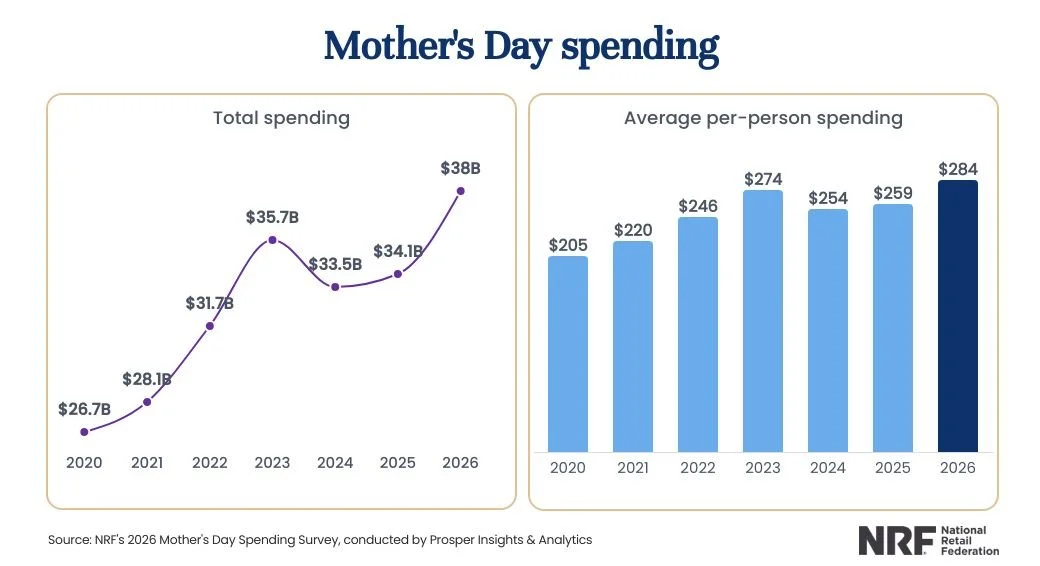
Consistent with recent years, 84% of US adults plan to celebrate Mother's Day. On a per-person basis, consumers plan to spend a record average of $284.25 on gifts, up from $259.04 last year and the previous record of $274.02 in 2023. Of those celebrating, 54% plan to purchase for their mother or stepmother, followed by a wife (22%) or daughter (13%).
The leading shopping destinations for gifts include online (33%) and department stores (33%), followed by specialty stores (29%) and discount stores (26%). Flowers remain the most popular gift category, with 75% of shoppers planning to purchase. Other top categories include greeting cards (74%), special outings such as dinner or brunch (63%), gift cards (55%), and clothing or accessories (51%). Jewelry leads Mother's Day spending at $7.5 billion, followed by special outings ($6.4 billion) and electronics ($4.4 billion).
4. Parents Engage in 50% More Digital Shopping Days Than Average Consumers
Parents engage in 50% more digital shopping activity days than the average consumer, according to "The 2025 Global Digital Shopping Index" study commissioned by Visa Acceptance Solutions and released by PYMNTS Intelligence. The report documents mobile shopping as a mainstream retail behavior worldwide, with 48% of consumers using a phone for their most recent purchase and 60% browsing merchant sites multiple times a week.
Shoppers with children under their care used a phone in 58.6% of their most recent purchases, compared with 40.7% for non-parents. Parents logged 63.5 digital shopping days per month versus a 50.9 average across the full sample. The pattern holds across markets, even in countries where digital adoption is less intense overall, parents remain highly engaged mobile shoppers.
On 59% of the days parents shop digitally, they make a purchase, showing that this group is not just browsing more often but converting at a higher rate. The research shows these consumers gravitate toward clear payment choices, rewards, coupons, product details, and easy-to-navigate stores. Notably, 92% of shoppers used or wanted to use their preferred payment method at the merchant where they made their last purchase, making payment choice the top digital feature globally.
That's it for today.
The Brief: Tariff Refunds, Amazon Price-Fixing, Consumer Spending, and Walmart's Fulfillment Test
News: stories The US government launched a tariff refund portal for up to $166 billion in illegal duties, while California released documents alleging Amazon coordinated price-fixing with Walmart and Target. Also: March retail sales rose for the sixth straight month driven by tax refunds, and Walmart is testing store backrooms as fulfillment centers.
Welcome to The Azimuth Brief for April 22, 2026. Here are the top retail and ecommerce stories that caught my attention.
Today's stories:
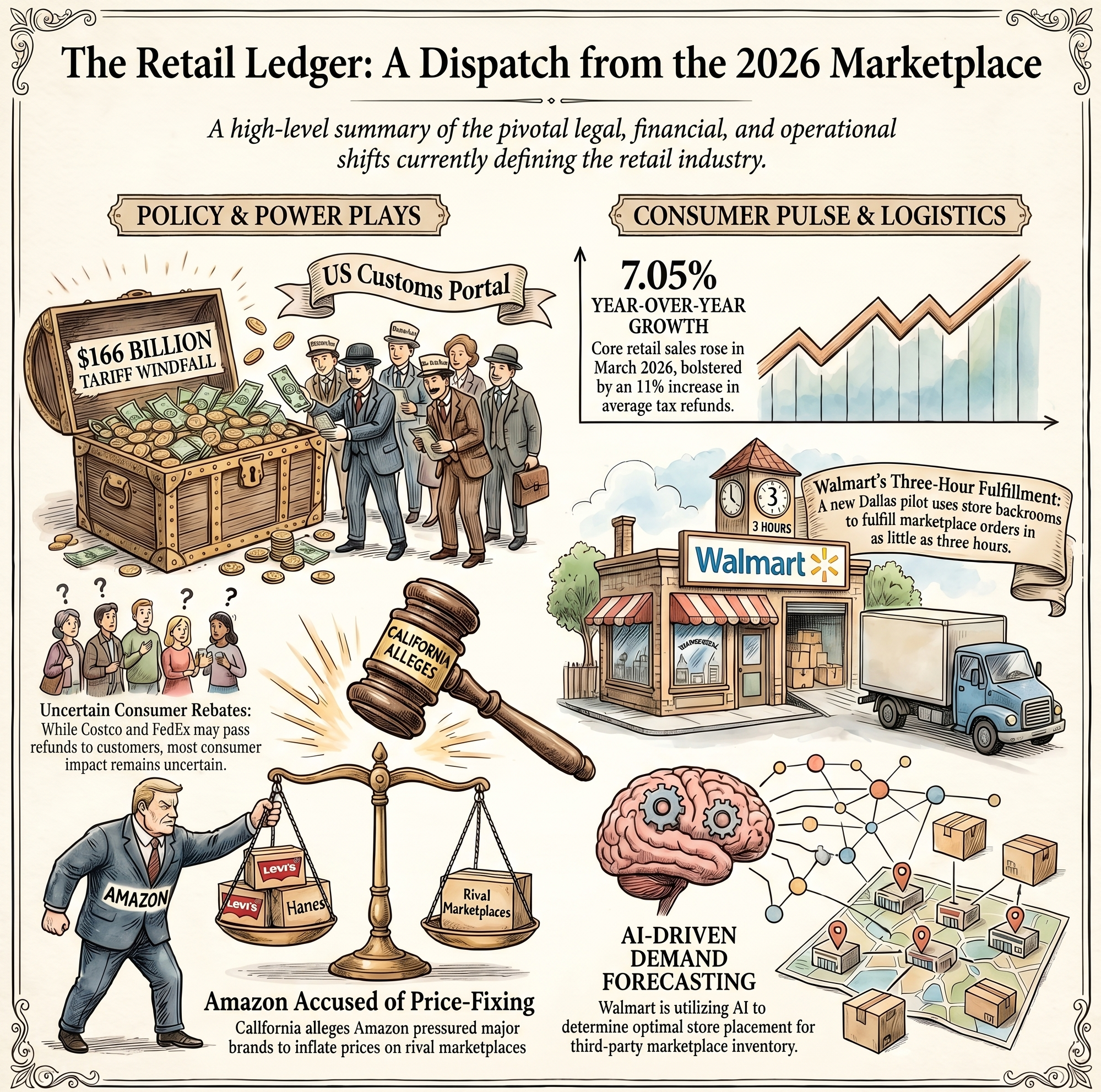
US government launches $166B tariff refund portal
California alleges Amazon coordinated price-fixing with major retailers
March retail sales show resilience amid inflation and gas price spikes
Walmart pilots store-based fulfillment for marketplace sellers
1. US Government Launches Tariff Refund Portal for $166 Billion in Illegal Duties
US Customs and Border Protection launched the CAPE portal (Consolidated Administration and Processing of Entries), allowing businesses to begin requesting refunds for tariffs struck down by the Supreme Court. The government could owe businesses up to $166 billion after the Supreme Court ruled in February that President Trump had illegally issued tariffs under the International Emergency Economic Powers Act.
The system limits refund applications to unliquidated tariffs plus tariffs finalized by CBP within the past 80 days. As of April 9, more than 56,000 US importers had registered to receive refunds. Up to 82% of IEEPA duty payments, amounting to $127 billion, are eligible for refunds in CAPE's initial deployment.
Refund checks are not expected until this summer. The government estimates the claims review process could take 45 days, with checks processed 60 to 90 days after approval. Refunds will only go to the importer of record or the licensed customs broker who originally paid the duties, leaving uncertainty around whether consumers will see any of that money. Some companies, like FedEx and Costco, have said they plan to pass refunds to customers.
2. California Alleges Amazon Coordinated Price-Fixing with Major Retailers
California Attorney General Rob Bonta released newly unsealed documents showing how Amazon allegedly pressured major brands like Levi Strauss and Hanes to inflate prices on rival online marketplaces as part of a wide-ranging price-fixing scheme. The documents are part of a 2022 antitrust lawsuit alleging Amazon stifled competition and increased consumer prices across the internet.
The documents include communications between Amazon and Hanes, where Amazon sent the vendor links to listings on Target and Walmart showing lower prices than on Amazon. Hanes confirmed it reached out to Target and Walmart to have the prices increased. In another case, Amazon alerted Allergan that it temporarily suppressed listings for its eye drops once it found they were being sold for less elsewhere. Allergan replied, saying Walmart raised its price back to $16.99.
Amazon also allegedly pressed Levi's to ask Walmart to hike the price of its khaki pants. Walmart raised its prices, the filing states. Bonta's office has asked a San Francisco Superior Court judge to prevent Amazon from engaging in the alleged price-fixing practices while the lawsuit proceeds.
3. March Retail Sales Show Resilience Amid Inflation and Gas Price Spikes
US retail sales rose for the sixth consecutive month in March 2026, as higher-than-average tax refunds helped offset increased gasoline prices linked to the conflict in the Middle East, according to the CNBC/NRF Retail Monitor released by the National Retail Federation.
Core retail sales (excluding restaurants, auto dealers, and gas stations) were up 0.41% month over month in March and up 7.05% year over year. That compares with increases of 0.27% month over month and 5.87% year over year in February. Total retail sales rose 0.4% month over month and 6.59% year over year in March.
The results came as the IRS said 2026 tax refunds averaged $3,521 as of late March, up 11.1% from 2025 following changes in tax law passed last year. Almost all retail sectors recorded year-on-year increases, with clothing stores, sporting goods stores, and health and personal care stores seeing the highest growth. NRF president and CEO Matthew Shay noted that despite record-low consumer sentiment and the highest inflation rate in two years, consumers continued to spend on household priorities.
4. Walmart Pilots Store-Based Fulfillment for Marketplace Sellers in Dallas
Walmart is testing the use of backroom storage space in its stores as fulfillment centers for third-party marketplace sellers, according to multiple outlets. The pilot program is currently being tested in several Dallas-area locations and aims to facilitate same-day delivery for select products from the company's online marketplace. By storing inventory from marketplace sellers alongside its own products in store back rooms, Walmart can reportedly reduce delivery times from one to two days down to as little as three hours.
The initiative leverages Walmart's network of more than 4,700 US stores to compete directly with Amazon's fulfillment capabilities. Walmart's marketplace currently lists approximately 500 million items and has been growing rapidly, with marketplace sales up approximately 20% in recent quarters. The retailer has been using AI to help determine which stores marketplace items should be shipped to based on local demand forecasting.
Walmart's store-fulfilled delivery has been one of its fastest-growing channels, with expedited deliveries under three hours representing approximately 35% of store-fulfilled orders.
That's it for today.
QBs in the NFL Draft and Should Your Team Draft Them (Updated 2026)
Which QBs are in this year’s NFL Draft, and will they be any good? A quick assessment of who teams should, and shouldn’t, draft, from someone who is better than most NFL GMs at picking them.
Which QBs should teams take in this year’s NFL Draft? The experts will tell you who is good and not, but they’re kind of bad at it. Same with NFL GMs. Heck, even Tom Brady was a late-round pick, meaning not even the Patriots knew he’d be good.
So, am I better at predicting the success of NFL QBs?
All I know is I wanted Josh Allen (good call) and Baker Mayfield (OK call, I guess), and wanted nothing to do with Josh Rosen or Sam Darnold. I would’ve taken Jayden Daniels over Caleb Williams, and I would have drafted Jaxson Dart over Cam Ward. I also would’ve drafted Richardson (though not #1 overall) if I needed a QB, and completely passed on Bryce Young and CJ Stroud.
So, maybe I am. Then again, maybe I’m not. Either way, here’s what I think of the QBs in this year’s NFL Draft, along with results from previous years, as I casually posted them. No deep-dives, video breakdowns, or gobbledygook: Just a simple prediction based on how I see them play the game.
QBs in the 2026 NFL Draft: Pick or Pass?
Not a star-studded draft class, with Fernando Mendoza (#1) my only tier-1 QB. Tier-2+ (all non-starters out of the gate) includes, in order, Luke Altmyer, Ty Simpson, Cole Payton, and Joe Fagnano.
Fernando Mendoza: Good touch on the ball, and his legs are a great asset. I don’t see him throwing people open that often, which is concerning, but he puts contested balls in the right place, and he seems to understand what he wants to do with each play. He’s not a slam dunk, but if I am picking #1, I’m taking him.
Ty Simpson: Backup. Lacks the arm strength to make some NFL throws.
Garrett Nussmeier: No thanks. Low-end backup.
Carson Beck: Doesn’t throw WRs open. Makes too many throws that get picked in the NFL. Maybe an OK backup.
Drew Allar: Nope. Stares down his WRs too often. Doesn’t put contested balls in a great spot.
Cole Payton: Late-round flyer. Has legs, decent touch on the ball, and puts it in a good position. Needs to develop a quicker release to realize NFL potential.
Taylen Green: Mid- to late-round flyer. His legs are definitely an asset, and he has decent touch on the ball (not great), but he doesn’t drive the ball downfield very well. This won’t be favorable in the NFL. Likely a backup.
Luke Altmyer: If I am searching for a QB, I’m taking him (round 3+, depending on team need). He can run, has quick decision-making, can drive the ball fairly well, and has good touch.
Cade Klubnik: Backup. He can run and has decent touch on the ball, but tends to hold it a bit long. Not great at throwing into tight windows. Nothing that screams NFL QB.
Sawyer Robertson: Backup at best. Inconsistent ball placement, not great speed, and can hold the ball too long at times.
Joe Fagnano: Later-round QB with upside. Throws a decent ball, but more of a short-to-intermediate range thrower. Can move decently and sees the field relatively well. Tends to stare down his receiver at times. Likely higher-end backup with fringe, starter potential.
Diego Pavia: Sorry, but no. Decent thrower with a clean pocket, but he tends to hold the ball too long to process the field (likely a result of his height). Not scared to rip it in windows, but delays will cause too many INTs in the NFL.
QBs in the 2025 NFL Draft: Pick or Pass?
TL:DR: Jaxson Dart is my number 1. Ward and Shough are equal. I might like the risk of Shough more.
Cam Ward. Mid-to-low tier starter. Can find a guy, but tends to hold the ball long and rarely throws guys open. Has upside, worth drafting if you need a QB. Don’t see superstar status, but could be “good enough” status.
Shedeur Sanders. Nope. Total bust.
Jaxson Dart. Draft. Has legs. Puts it in tight window and drops them in. Doesn’t hold it long. Draft if you need a QB. Might struggle at first with progressions. I like him more than Cam Ward.
Jalen Milroe. Good backup. Legs will keep him in the league. Decent passer, but looks at his receivers too much.
Will Howard. This guy could be a decent QB. Reminds me of a mix of Herbert and Maye. Might be a good spot for a QB-pergatory team. Likely a low-end starter with some upside, nothing better than a mid-level starter.
Quinn Ewers. Second/third stringer.
Kyle McCord. Can make a living as a backup. As a starter, he’d be best under a west coast/timing system, like Shannahan or … hello Dolphins.
Riley Leonard. Hello UFL.
Tyler Shough. Might be a decent starter. If you need a backup to develop or to challenge a low-tier starter, he’s your man. He’s probably as good as Cam Ward with more upside.
Dillion Gabriel. Can throw and run it but I think he’s a backup.
QBs in the 2024 NFL Draft: Pick or Pass?
Jayden Daniels: Yes, he's my first overall.
Caleb Williams: Yes. He needs quicker decision-making. Otherwise, he'll take too many sacks. I think he can make that switch.
Drake Maye: Decent backup QB, maybe a bottom-tier starter.
JJ McCarthy: Hated watching him live, but looking at the tape, he makes NFL throws and turned me slightly. Stares his WRs down too much. 3rd rounder. Will be boom or bust. If I had to bet, I'd say bust.
Bo Nix: Eh. No thanks. Backup at best.
Michael Penix Jr. The MOST intriguing QB in the draft. Most accurate college QB I’ve seen, and had an incredibly awful championship game. Multiple injuries in his career. I think he's a starter in the league. Massive upside, and massive downside. I'd take him in the 2nd round if I needed a QB within two years.
Austin Reed: Draft the dude. "Short" for the typical NFL QB (6'1", same as Lamar), but this guy can make throws.
Spencer Rattler: Backup QB
Michael Pratt: Nope. Hello UFL.
Jordan Travis: No thanks. Backup at best.
QBs in the 2023 NFL Draft: Pick or Pass?
Draft: The only QB I am taking in this draft is Richardson. I like his throws, and he has some serious upside.
Notable NOs:
Levis
Hooker
Stroud
Young
QBs in the 2022 & Earlier NFL Drafts

Definitely Draft:
Mayfield
Allen
Burrow
Lawrence
Mahommes
Worth Drafting ("think" he'll be good, not great, but also not entirely confident):
Watson
Jackson (more upside than Watson)
Herbert (Chad Pennington-esque)
Notable NOs:
Rosen, Darnold, Murray, Pickett, Willis, Jones, Wilson, Lance, Fields, Tua, Love, Haskins, Love, Jones, Trubisky, Kizer, Newton.

Need someone to evaluate QBs for your team? I’m available for hire.
Google’s AI Landing Page Patent: What It Means for Ecommerce and Brand Control
Google’s newest patent signals a shift from sending traffic to your website to potentially replacing it altogether. Instead of ranking pages, Google may generate its own AI-powered version of your storefront, tailored to each user. That raises bigger questions about brand control, data ownership, and what the future of search actually looks like for businesses.
Google Doesn’t Just Want to Rank Your Website Anymore — It May Replace It
Google’s latest patent suggests a seismic shift may be afoot. Instead of sending users to your website, it may evaluate your page and build its own version if yours isn’t good enough.
On January 27, 2026, the United States Patent and Trademark Office granted Google Patent US12536233B1, titled “AI-generated content page tailored to a specific user.” At a glance, it reads like a technical improvement. In practice, it points to a future where Google doesn’t just decide which website you see, but whether you see one at all.
From Ranking Pages to Rebuilding Them
At the center of the patent is something called a “Landing Page Score.” Before sending a user to a website, Google evaluates whether that page meets a certain threshold for quality and usability, using signals that marketers already recognize but may now carry higher stakes.
These signals include performance metrics such as conversion rate, bounce rate, and click-through rate, along with qualitative factors like page design and content clarity. More importantly, the patent explicitly references functional gaps, including the absence of features like product filters, as indicators of poor usability. That detail suggests this isn’t just about relevance or keyword alignment, but about whether a page delivers a complete and usable experience.
If a page performs well, the experience remains largely unchanged. If it doesn’t, Google may take a different approach by generating an alternative version in real time using large language models, effectively creating its own optimized experience tailored to the individual user.
This is where the shift becomes clear. Google is no longer just organizing access to content; it is positioning itself to reconstruct the experience of that content.
The Rise of the “Google-Built” Storefront
The AI-generated pages described in the patent are not simple summaries or enhanced snippets. They are designed to function like complete landing pages, assembled dynamically based on available data and user context.
These experiences can include personalized headlines, structured product feeds, suggested filters, clear calls to action, and even conversational interfaces that guide users through decisions. In many cases, they may represent a more streamlined and efficient version of what the brand itself provides, particularly if the original site lacks certain usability features.
From a user perspective, this reduces friction and simplifies the path to purchase. From a brand perspective, however, it introduces a new layer between you and your customer, where the experience is no longer fully yours to control.
The Erosion of the Direct Relationship?
The most significant implication is not traditional traffic loss (that’s already happening with AI platforms) but the gradual erosion of the direct customer relationship that brands have spent years building.
A website has historically been the one place where a brand fully controls its narrative, design, and experience. It is where trust is built through storytelling, testimonials, UX decisions, and subtle signals that differentiate one company from another. When that interaction is mediated through a Google-generated interface, much of that differentiation risks being flattened into standardized components.
The transaction may still occur, but the experience belongs to Google. Over time, that shift can weaken brand equity in ways that are difficult to measure in the short term but meaningful in the long run.
Zero-Click Search Becomes Zero-Click Commerce
We are already seeing the rise of zero-click search, where users find answers without leaving the search results page. This patent extends that concept into commerce by allowing the entire journey—discovery, evaluation, and potentially conversion—to happen within Google’s ecosystem.
That shift has direct implications for data ownership and learning. When users interact with your website, you gain insight into behavior, preferences, and friction points, which in turn fuel optimization and personalization efforts. When those interactions happen on a platform instead, that feedback loop becomes less visible and less actionable.
Over time, that loss of insight can limit a brand’s ability to improve its own experience, creating a dependency on platforms that increasingly control both visibility and interaction.
A New Layer in the Economics of Search
Another important element in the patent is where these AI-generated experiences can appear. The system allows for their inclusion within sponsored results, which introduces the possibility that paid traffic may lead to a Google-generated page rather than the brand’s own website.
While the patent does not define how broadly this would be implemented, it signals a direction where Google captures more value across both the experience layer and the monetization layer. Brands may find themselves not only competing for visibility, but also participating in an environment where the destination itself is no longer owned.
For smaller and mid-sized businesses, this raises the stakes significantly. Competing in search may no longer be about who ranks best, but who meets the threshold to remain part of the experience at all.
A Broader Shift Toward Platform-Owned Experiences
Taken in isolation, this patent is a technical concept. Viewed in the context of broader industry trends, it aligns with a clear movement toward platform-owned experiences, where discovery and interaction are increasingly consolidated into a single environment.
Search is evolving from a gateway into a destination, compressing what was once a multi-step journey into a single interface. At the same time, the importance of structured data is growing as platforms rely more on what they can access and interpret than on how a page is designed in isolation.
This is where the idea of Generative Engine Optimization (GEO) begins to emerge. Visibility is no longer just about ranking pages, but about ensuring your brand is accurately represented within AI-generated environments that assemble and present information on your behalf.
What This Means for Brands Now
This patent does not represent an immediate shift, but it does point to a direction that is already taking shape and worth preparing for.
First, data quality becomes foundational, as structured product information, accurate attributes, and strong visual assets may increasingly define how your brand is represented when the interface is no longer your own. Second, user experience becomes a gatekeeper rather than a differentiator, with basic functionality like navigation and filtering determining whether your page is included or bypassed.
At the same time, owned channels become more valuable, as email marketing, SMS marketing, and community-driven engagement offer a way to maintain direct relationships in an environment where discovery is increasingly intermediated. Finally, brands must invest in differentiation that cannot be easily replicated, including trust, storytelling, and identity, which do not translate cleanly into structured data or templated interfaces.
The Future of Search Is the Interface Itself
Google’s patent signals a shift that goes beyond rankings or algorithm updates and moves toward a model where the interface itself becomes the primary battleground for attention.
For users, this will likely result in faster, more personalized experiences that reduce friction and simplify decision-making. For brands, it introduces a more complex reality where visibility depends not only on being found, but on being selected, interpreted, and reconstructed by systems outside their control.
The companies that adapt will not simply focus on ranking higher. They will focus on how they are understood, how they are represented, and how they remain differentiated in a world where the final interaction may no longer happen on their own site.
Still need help digesting this? Check out this explainer video.
Google AI Landing Page Patent FAQs
What is Google’s AI landing page patent?
Google’s patent (US12536233B1) describes a system where it evaluates a webpage before sending users to it. If the page does not meet certain quality or usability standards, Google may generate its own AI-powered version instead of directing users to the original site.
What is a “Landing Page Score”?
A Landing Page Score is Google’s way of assessing page quality based on performance metrics like conversion rate and bounce rate, along with usability factors such as design, content clarity, and functionality. The patent specifically mentions missing features like product filters as a negative signal.
Will Google replace websites with AI-generated pages?
Not entirely, and not immediately. This is a patent, not a fully rolled-out product. However, it signals a direction where Google may intervene more directly in the user experience when a page is considered low quality.
How does this impact ecommerce brands and SEO?
Ecommerce brands may see fewer users reaching their websites directly, which affects branding, conversion control, and data collection. SEO will also evolve beyond rankings toward how content and product data are understood and used within AI-generated experiences.
What should businesses do to prepare?
Businesses should focus on improving user experience, maintaining clean and structured product data, and building direct relationships through owned channels like email and SMS. Strong brand differentiation will also become more important as platforms take a larger role in shaping the customer experience.
AI Shopping During the Holidays and What It Means
Holiday shopping offered an early look at how consumers are using AI to research products and guide purchase decisions. The results reveal important signals about how ecommerce may evolve in 2026.
The holiday shopping season is often the clearest indicator of how consumers are actually using new technology. In 2025, AI moved from novelty to a practical shopping assistant for many consumers. Shoppers increasingly use AI tools to research gift ideas, compare products, and narrow their purchasing decisions. At the same time, consumer trust in AI for shopping rose dramatically throughout the year, signaling that AI-assisted commerce may soon become part of everyday buying behavior rather than a niche experiment. This can also have a ripple effect on the brand-consumer relationship.
In my latest article for AIThority, I examine what holiday shopping behavior revealed about the growing role of AI in e-commerce and what it may signal for the year ahead. The trends raise several questions brands should begin thinking about now:
If shoppers increasingly rely on AI to research and recommend products, how will brands influence those recommendations?
Will AI shopping behavior shift more commerce back toward desktop environments rather than mobile?
What does the rise of AI-generated traffic mean for traditional discovery channels like search and social media?
How should marketers adapt if AI becomes a primary entry point into the shopping journey?
You might also like:
Buffalo Bills Hire Joe Brady. Really?
I wanted to turn the page from Joe Brady before the season even started, but watching the Bills’ offense unfold only reinforced my concerns. From predictable bubble screens and conservative red-zone play-calling to a lack of urgency around the wide receiver room, the same issues surfaced at the worst possible moments. If Joe Brady is going to be the coach who finally gets Buffalo past the playoff wall, major changes in philosophy, staffing, and execution are non-negotiable.
Today, the Bills hired Joe Brady as their new head coach, and I can’t believe it. I really can’t.
The owner fired Sean McDermott because he felt they could not get past the “proverbial playoff wall.” I agree, and while not specifically calling for McD’s head, I am OK with the decision. However, my biggest concern was less on the head coach and more on the OC. I don’t believe Brady has what it takes to be an elite playcaller. Man, I hope I’m wrong, but I fear the Bills are going to run it back with mostly the same staff in place — and that IS the issue.
When I think about it, was this the interview process?
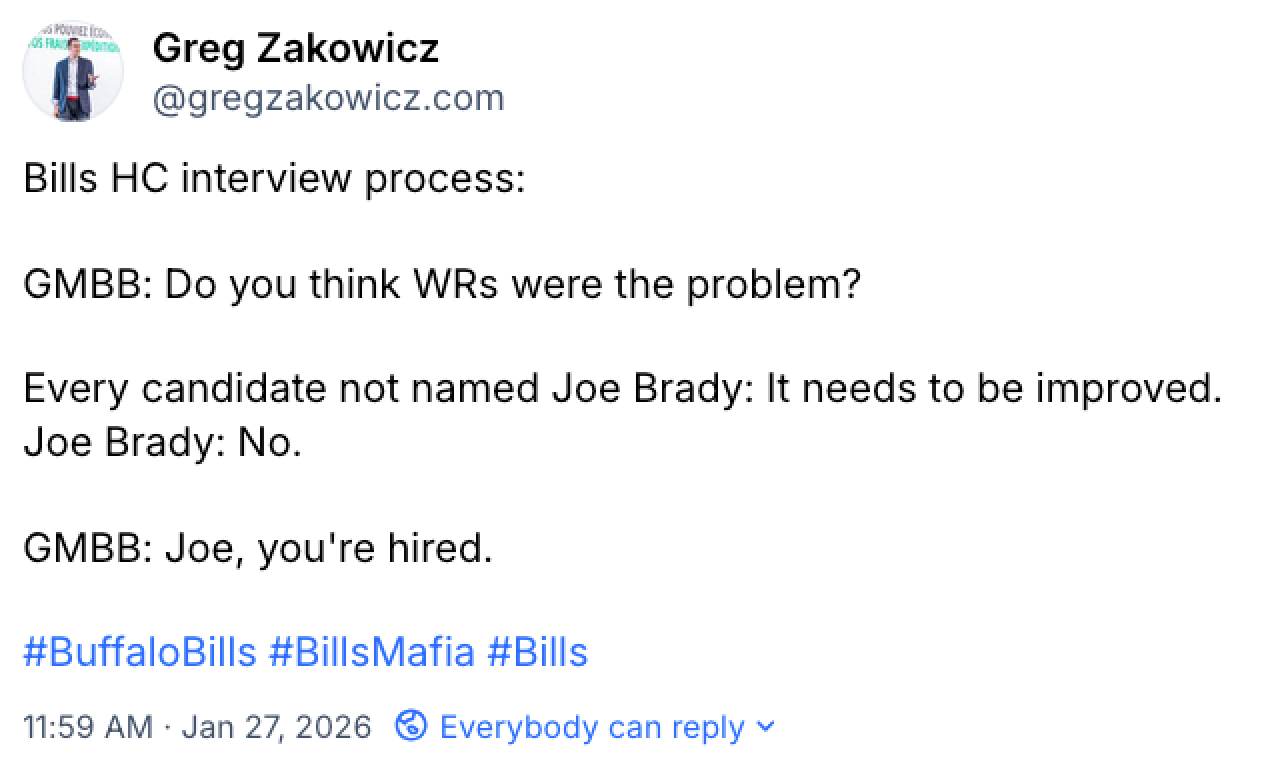
I wanted to turn the page from Brady before the season even started. Over the past two-plus years, I have taken issue with his play-calling from several areas. Watching it unfold made me double down. Here are my gripes.
My issues with Joe Brady’s offense
1. Bubble screens, and more specifically, throws to the line of scrimmage. The Bills have a cheat-code QB, and yet Brady decides the best way to use him is to have him throw the ball to the line of scrimmage the moment he touches it. You might as well put me back there throwing the ball!
With a chance to close out the game, he did this on 3rd down in the fourth quarter inside the red zone during the Bills-Broncos playoff game. In fact, he did it on second down as well — although he held the ball for a full 1.5 seconds while waiting for Samuel to come out of the backfield. Both plays went nowhere — much like nearly every bubble screen for the past two seasons. Oh, and let’s not forget the bubble screen on third down on the final drive in the KC playoff game the year before.
Repeatedly, he ran these bubble screens with very limited success. Unless McDermott specifically called for those plays, he was repeatedly willing to take the ball out of the best player’s hands. This is an OC issue, and a serious one.
2. Running up the middle on first and goal from outside the five. What a waste. These plays routinely go nowhere and are practically a waste of down. Heck, look at the same series of red zone plays in the Bills-Broncos game. First down, run to the outside for 1 yard (I know, not up the middle, but you got the same predictable run and result).
Add running it up the middle on second down to my list of grievances. Oh, and running it on 2&1 instead of taking a shot, and you have yourself a conservative run party. This is an OC issue. But what if you don’t make it? Well, not knowing you have two plays for a near-guaranteed Allen sneak/tush push on third and fourth down is an OC issue.
3. This part I don’t know, but what involvement did Brady have in the Bills’ deciding to build an incredibly weak WR room? We’re about to find out. I am led to believe Brady wasn’t opposed to the WRs they had. If so, I imagine, since Beane apparently trusts him so much, they would’ve made a move to improve it at the trade deadline. Instead, I have GMBB defending the assets he assembled while grasping at straws throughout the season.
4. My 13-year-old calls out the Bills plays before they happen, and he’s right most of the time — and he’s not even a Bills fan! If he and I can do it so easily, what makes me think he’s fooling a defensive coordinator?
What I need from Joe Brady as the Bills’ coach
1. Bring in an established defensive coordinator — or someone who is considered to “know their stuff.” We can’t run it back with the same crew. Getting past the proverbial playoff wall means getting better at what you do. The defense was a consistent letdown. Be better, and that starts with the top of the pyramid. If not an established playcaller, the hire needs to have some pedigree behind them, having studied under some of the brightest minds. While some is OK, I can’t have significant learning on the job. A veteran D assistant to serve as a sounding board would be helpful with a younger guy.
2. Be a serious playcaller. The same-old same-old is not going to get it done. I do not want Josh Allen to have to make up for your game plan and playcalling. I’ve watched it too often. What I want is for Josh Allen to make his great playcalling unstoppable. He shouldn’t have to be Superman to win games. He should be Superman to demoralize and bury the opponent. I want to win when he’s average.
3. Advocate for solid WRs. Make it clear that the lack of WRs was the previous regime’s decision. Your job as OC is to make your QB’s job as easy as possible. Do it.
4. Do NOT make the season come down to giving Josh Allen the ball, trailing, and a chance to win the game. This is not getting past the wall. Build a team that gets him a two-score lead and the luxury of sitting on the sideline while the defense goes to work with a scheme that doesn’t give 9-yard cushions on a third-and-seven.
Will Joe Brady succeed?
I have not seen evidence that Joe Brady can accomplish these things. In fact, I’ve seen a stubbornness to continually run plays with little to no success while simultaneously taking the ball out of the NFL’s best QBs’ hands. To me, this is not a good indication of someone able to evolve.
I hope he makes the right staffing decisions that improve this team. I hope he advocates for better players on offense. I hope he learns how to be a better placaller.
I’m not holding my breath.
Would one of the other hot-shot young OCs in the league have been a better fit? I don’t know. It would have all been a gamble. I just don’t think Joe Brady is the guy to smash through the wall, and I’ve never wanted to be so wrong in my life. Good luck Joe!
Holiday 2025 Shopper Mindset: What Marketers Need to Know
Shoppers are still buying this holiday season, but they’re taking a more careful, value-driven approach. Greg Zakowicz shares a few observations from his MarTech Cube guest article on how shopper behavior is shifting and what it means for marketers heading into the holidays.
Holiday Shopping 2025: What Marketers Need to Know
The holiday season always brings surprises, but this year feels different. Shoppers are still buying, but they’re doing it with more intention. Prices remain high, budgets are tighter, and people are weighing decisions a bit longer than they used to.
I recently wrote a guest post for MarTech Cube, digging into this shift in shopper mindset. Here’s a quick look at what stood out.
Shoppers Are More Careful With Their Money
People haven’t stopped spending, but they’re more cautious. They’re sticking to budgets, comparing more, and thinking harder before committing.
For brands, that means your value story has to be clear. Customers want to know why your product is worth it, not just that it’s on sale.
Promotions Still Matter but Not in the Same Way
Holiday discounts will always grab attention, but blanket markdowns aren’t the only way to win.
Smarter incentives like early access, bundles, or tiered offers tend to resonate more with today’s value-focused shopper. It’s less about racing to the bottom and more about showing that your promotion actually makes sense.
Convenience Goes a Long Way
The easier you make the purchase experience, the better. Clear delivery timelines, smooth returns, and straightforward policies all influence buying decisions. These aren’t “extras” anymore — they’re part of what shoppers expect.
Email and SMS Still Deliver
Despite all the noise in the market, lifecycle messaging remains reliable. Email and SMS continue to drive strong results during peak shopping periods.
Well-timed sends and solid automation, such as cart abandonment messages, back-in-stock alerts, and post-purchase series, matter. a lot.
Read the Full Article
You can read the complete post on MarTech Cube here:
»» Holiday 2025: What Marketers Need to Know About Shoppers’ New Mindset
ChatGPT Atlas — Initial Impressions and Takeaways for Ecommerce
I am playing around with ChatGPT Atlas and have done a few trial searches from an ecommerce perspective. Here are a few initial takeaways.
Results may vary across ChatGPT Atlas and ChatGPT
Big stores dominate the results
Price tracking for the consumer, but only sometimes.
How Google and ChatGPT Atlas compared
ChatGPT Atlas Key Takeaways
I am playing around with ChatGPT Atlas and have done a few trial searches from an ecommerce perspective. Here are a few initial takeaways.
Results may vary across ChatGPT Atlas and ChatGPT
Big stores dominate the results
Price tracking for the consumer, but only sometimes.
How Google and ChatGPT Atlas compared
Let's dig in.
Takeaway #1: Atlas results are fairly different than what I get by going directly to ChatGPT. Is this by design?
Not sure why there is a discrepancy between the two, but they were different enough. Here is a quick side-by-side.
In this instance, I preferred the Atlas results better. They were more aligned with my expected results.
Takeaway #2: Almost all of the products recommended were either Shopify stores or major retailers.
With the online coffee recommendations, Shopify was the big winner. I also did a search for other products, like mesh workout pants. Here, I got a variety of options.
At this stage, it asked me if I wanted a list of 20 options, with the five best identified. I asked to give me a list of 20. Here is what I got:

This list had no links or associated stores. I had to ask for the links to be provided. The results included product cards, but most were available via major retailers (video below). As you can see, clicking on the product image brings up the right rail that will link out to different stores. This is nice, but I don't like how clicking a link opens it in the same window. I'd prefer a new tab.
»» I know it's early, but where does/will this leave the mom-and-pops of the world? Sure, they may be included, but will they be playing a constant game of catch-up to retailers with bigger budgets and tech teams?
Takeaway #3: Price tracking ... maybe?!?
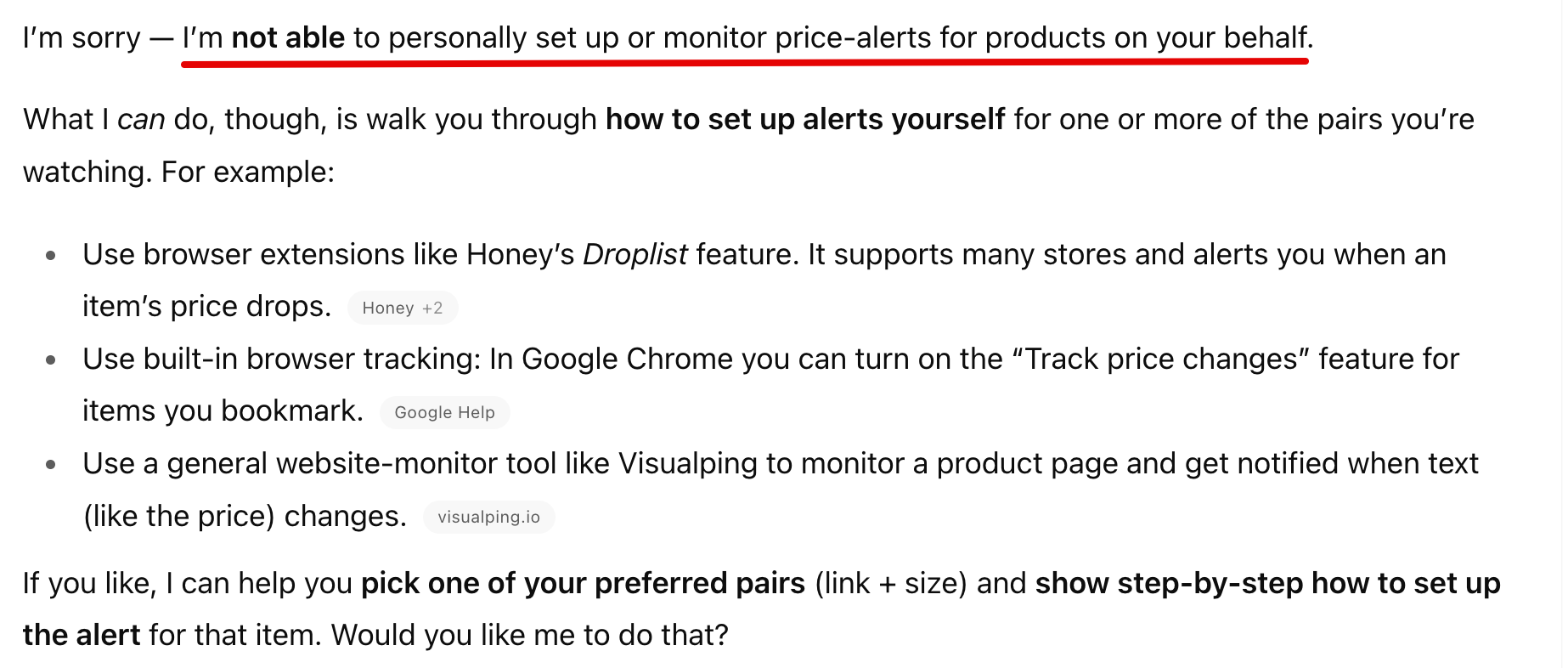
With one product search, I asked to be reminded when the price dropped below a certain threshold. It said it would. In another search (those mesh pants), it said it could not do that. Is there something bigger going on here?
Why can they do it for one and not the other?
I don't know if it will actually work, but we shall see. Interestingly, it says in the Monitoring Setup (pictured below) that it will check "major US retailers," again giving nod to the larger stores.
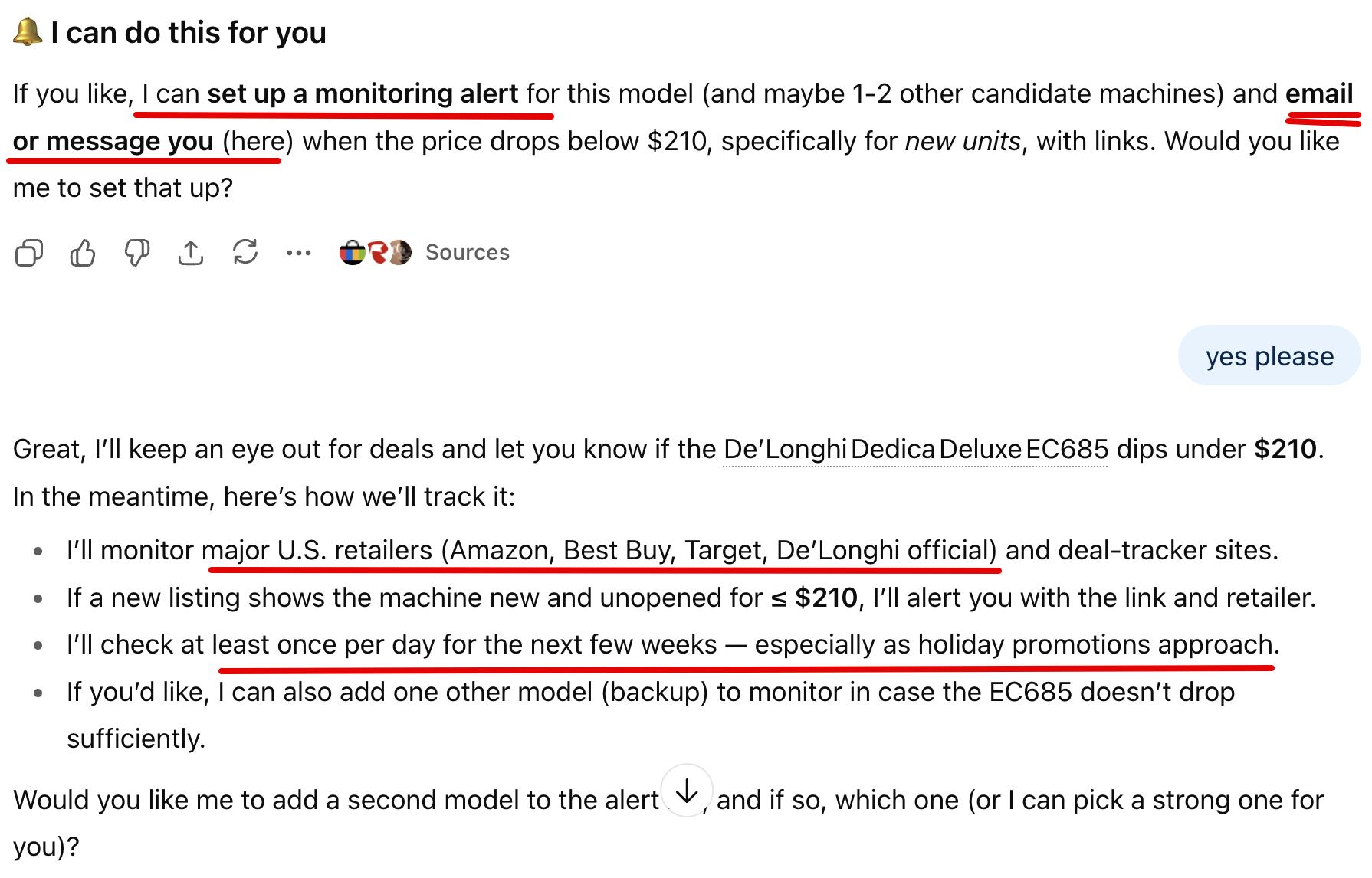

»» I this examples below, it says it can not monitor price for me?
Takeaway #4: What about Goog .... errr, never mind.
When someone wants coffee, they want coffee. So I took that same coffee bean search to Google and was treated to a, well, horrend... less optimized experience. I mean, take a look at this.
This SERP has everything from local roasters and sponsored products to videos and listicles. Where would one even begin? While I don't think the GPT experience was insanely better, it was able to understand my intent and continue to guide me along that journey.
This is really what matters: Intent --> desired result.
p.s. I buy espresso beans from Fresh Roasted Coffee LLC. :)
Final Thoughts
It's only day 1 for me, so we'll see how it goes. I am hopeful this does not transform into another platform that separates the haves and have-nots. Now is probably a good time for both ecommerce and local stores to focus on schema for their sites and make every effort to be as discoverable as possible for AI platforms.
As Omar said, “You come at the king, you best not miss.” Well, their aim seems to be pretty good at the moment.
How to Make Your Product Feed Discoverable in ChatGPT
If you want your products to show up in ChatGPT’s shopping and discovery experiences, you’ll need to set up a product feed that matches OpenAI’s official spec. Don’t worry — while the spec looks technical, once you break it down, it’s not too different from filling in a structured spreadsheet about your products.
If you want your products to show up in ChatGPT’s shopping and discovery experiences, you’ll need to set up a product feed that matches OpenAI’s official spec. Don’t worry — while the spec looks technical, once you break it down, it’s not too different from filling in a structured spreadsheet about your products.
This post walks through what a product feed is, why it matters, and exactly what information to include.
1. What’s a Product Feed?
Think of a product feed as a structured catalog. Each row is a product, each column is an attribute like ID, title, price, or image. OpenAI uses this feed to understand what you sell and how to display it inside ChatGPT.
If your feed is complete and accurate, your products are more discoverable, and customers can even buy them directly inside ChatGPT (if you enable checkout).
2. Why This Matters
Discoverability: Without a proper feed, ChatGPT won’t know your products exist.
Better Shopping Experience: More details = richer displays. Products with images, reviews, and variants stand out.
Eligibility for Checkout: If you want in-app checkout, certain fields (like price, shipping, and inventory) must be filled.
Control: You decide what gets surfaced (via flags like
enable_searchandenable_checkout).
3. What Information Goes in the Product Feed
Your product feed is basically a structured spreadsheet where each product has a row and each attribute (ID, title, price, etc.) is a column. OpenAI’s spec defines exactly what you can include, what’s required, and how to format it.
Here’s a breakdown of the most important fields, combining the official spec details with plain-English explanations and examples.
3.1 OpenAI Flags (control visibility & checkout)
| Attribute | Required? | What it Means | Example | Notes |
|---|---|---|---|---|
enable_search |
Required | Set to true to allow ChatGPT to surface the product in search. |
true |
Lower-case string |
enable_checkout |
Required (see note) | Allows direct purchase inside ChatGPT. Requires enable_search = true. |
false |
Lower-case string |
3.2 Basic Product Data
| Attribute | Required? | What it Means | Example | Notes / Validation |
|---|---|---|---|---|
id |
Required | Merchant product ID (unique) | SKU12345 |
Max 100 chars; stable over time |
gtin |
Recommended | Universal product identifier (UPC/EAN/ISBN) | 123456789543 |
8–14 digits; no dashes/spaces |
mpn |
Required if no GTIN | Manufacturer part number | MPN-9876 |
Required if gtin missing; max 70 chars |
title |
Required | Product title | Men's Trail Running Shoes Black |
Max 150 chars; avoid ALL CAPS |
description |
Required | Full product description (plain text) | Waterproof trail shoe with cushioned sole… |
Max 5,000 chars; plain text only |
link |
Required | Product detail page URL | https://example.com/product/SKU12345 |
Must resolve HTTP 200; HTTPS preferred |
3.3 Item Information & Classification
| Attribute | Required? | What it Means | Example | Notes |
|---|---|---|---|---|
condition |
Required | Product condition (new, refurbished, used) |
new |
Lower-case string |
product_category |
Required | Category path (taxonomy) | Apparel & Accessories > Shoes |
Use '>' separator |
brand |
Required (most cases) | Product brand | OpenAI |
Max 70 chars; exceptions: movies/books/music |
material |
Required | Primary material(s) | Leather |
Max 100 chars |
dimensions |
Optional | Overall dimensions LxWxH unit |
12x8x5 in |
Units required |
length |
Optional | Dimension length | 10 mm |
Provide all three if using individual fields |
width |
Optional | Dimension width | 10 mm |
Units required |
height |
Optional | Dimension height | 10 mm |
Units required |
weight |
Required | Product weight | 1.5 lb |
Positive number with unit |
age_group |
Optional | Target demographic (e.g., adult) |
adult |
Lower-case string |
3.4 Media
| Attribute | Required? | What it Means | Example | Notes |
|---|---|---|---|---|
image_link |
Required | Main product image URL | https://example.com/image1.jpg |
JPEG/PNG; HTTPS preferred |
additional_image_link |
Optional | Extra images (array or CSV) | https://example.com/image2.jpg,https://... |
Comma-separated or array |
video_link |
Optional | Product video URL | https://youtu.be/12345 |
Must be publicly accessible |
model_3d_link |
Optional | 3D model (GLB/GLTF preferred) | https://example.com/model.glb |
GLB/GLTF preferred |
3.5 Pricing & Promotions
| Attribute | Required? | What it Means | Example | Notes |
|---|---|---|---|---|
price |
Required | Regular price (value + ISO currency) | 79.99 USD |
Must include currency code |
applicable_taxes_fees |
Optional | Additional taxes/fees | 7 USD |
Number + currency |
sale_price |
Optional | Discounted price | 59.99 USD |
Must be ≤ price |
sale_price_effective_date |
Optional (if sale_price) | Sale start/end (ISO 8601) | 2025-07-01 / 2025-07-15 |
Start must precede end |
unit_pricing_measure / base_measure |
Optional | Unit price & base measure | 16 oz / 1 oz |
Both fields required together |
pricing_trend |
Optional | Human-readable pricing trend | Lowest price in 6 months |
Max 80 chars |
3.6 Availability & Inventory
| Attribute | Required? | What it Means | Example | Notes |
|---|---|---|---|---|
availability |
Required | in_stock, out_of_stock, preorder |
in_stock |
Lower-case string |
availability_date |
Required if preorder |
When product will be available | 2025-12-01 |
Must be future date if preorder |
inventory_quantity |
Required | Units available | 25 |
Non-negative integer |
expiration_date |
Optional | Remove product after date | 2025-12-01 |
Must be future date |
pickup_method |
Optional | Pickup options (in_store, reserve, not_supported) |
in_store |
Lower-case string |
pickup_sla |
Optional | Pickup SLA (e.g., 1 day) |
1 day |
Requires pickup_method |
3.7 Variants
| Attribute | Required? | What it Means | Example | Notes |
|---|---|---|---|---|
item_group_id |
Required if variants exist | Parent/variant group ID | SHOE123GROUP |
Max 70 chars |
item_group_title |
Optional | Canonical group title | Men's Trail Running Shoes |
Max 150 chars |
color |
Recommended | Variant color | Blue |
Max 40 chars |
size |
Recommended | Variant size | 10 |
Max 20 chars |
size_system |
Recommended | Size system (country code) | US |
2-letter code |
gender |
Recommended | male, female, unisex |
male |
Lower-case string |
offer_id |
Recommended | Unique offer per variant | SKU12345-Blue-79.99 |
Unique within feed |
Custom_variant1_category |
Optional | Custom variant dimension 1 | Size_Type |
e.g., Petite/Tall |
Custom_variant1_option |
Optional | Option under custom variant 1 | Petite |
— |
Custom_variant2_category |
Optional | Custom variant dimension 2 | Wood_Type |
— |
Custom_variant2_option |
Optional | Option under custom variant 2 | Oak |
— |
Custom_variant3_category |
Optional | Custom variant dimension 3 | Cap_Type |
— |
Custom_variant3_option |
Optional | Option under custom variant 3 | Snapback |
— |
3.8 Shipping & Returns
| Attribute | Required? | What it Means | Example | Notes |
|---|---|---|---|---|
shipping |
Required where applicable (checkout) | Format country:region:service_class:price |
US:CA:Overnight:16.00 USD |
Multiple entries allowed; use colon separators |
delivery_estimate |
Optional | Estimated arrival date | 2025-08-12 |
Must be future date |
3.9 Merchant info
| Attribute | Required? | What it Means | Example | Notes |
|---|---|---|---|---|
seller_name |
Required / Display | Seller or store name | Example Store |
Max 70 chars |
seller_url |
Required | Seller storefront or page URL | https://example.com/store |
HTTPS preferred |
seller_privacy_policy |
Required if checkout | Seller privacy policy URL | https://example.com/privacy |
Required if enable_checkout=true |
seller_tos |
Required if checkout | Seller terms of service URL | https://example.com/terms |
Required if enable_checkout=true |
4.0 Returns
| Attribute | Required? | What it Means | Example | Notes |
|---|---|---|---|---|
return_policy |
Required | URL to return policy | https://example.com/returns |
HTTPS preferred |
return_window |
Required | Days allowed for return | 30 |
Positive integer |
4.1 Performance Signals
| Attribute | Required? | What it Means | Example | Notes |
|---|---|---|---|---|
popularity_score |
Recommended | Popularity indicator (0–5 or merchant-defined) | 4.7 |
0–5 scale or merchant-defined |
return_rate |
Recommended | Historical return rate (percentage) | 2% |
0–100% |
4.2 Compliance
| Attribute | Required? | What it Means | Example | Notes |
|---|---|---|---|---|
warning / warning_url |
Recommended for checkout | Product disclaimers or warnings | Contains lithium battery or https://... |
If URL, must resolve HTTP 200 |
age_restriction |
Recommended | Minimum purchase age | 21 |
Positive integer |
4.3 Reviews Q&A
| Attribute | Required? | What it Means | Example | Notes |
|---|---|---|---|---|
product_review_count |
Recommended | Number of product reviews | 254 |
Non-negative integer |
product_review_rating |
Recommended | Average product rating (0–5) | 4.6 |
0–5 scale |
store_review_count |
Optional | Number of store/brand reviews | 2000 |
Non-negative integer |
store_review_rating |
Optional | Average store rating (0–5) | 4.8 |
0–5 scale |
q_and_a |
Recommended | FAQ or Q&A content | Q: Is this waterproof? A: Yes |
Plain text |
raw_review_data |
Recommended | Raw review payload (JSON blob) | {"reviews":[...}] |
May include JSON blob |
4.4 Related products
| Attribute | Required? | What it Means | Example | Notes |
|---|---|---|---|---|
related_product_id |
Recommended | Associated product IDs (comma-separated) | SKU67890,SKU67891 |
Comma-separated list allowed |
relationship_type |
Recommended | Relationship types (enum) | often_bought_with |
e.g., part_of_set, accessory, etc. |
4.5 Geo tagging
| Attribute | Required? | What it Means | Example | Notes |
|---|---|---|---|---|
geo_price |
Recommended | Region-specific price | 79.99 USD (California) |
Must include ISO 4217 currency |
geo_availability |
Recommended | Region-specific availability | in_stock (TX), out_of_stock (NY) |
Regions should be valid ISO 3166 codes |
Takeaway: Fill out every required field, but don’t stop there. The more “recommended” and “optional” fields you supply (reviews, categories, images, variants), the better ChatGPT can showcase your products.
4. Best Practices
Keep data fresh: Update inventory, pricing, and availability regularly.
Use real product images: Don’t rely on placeholders or logos.
Include rich attributes: Size, color, material, reviews — these help your products stand out.
Test your feed: Validate links, check that product pages load, and confirm formatting (especially dates and prices).
5. Wrapping Up
Making your product feed discoverable in ChatGPT is mostly about being structured and complete. Once your feed is properly set up, ChatGPT can surface your products more effectively and even enable direct checkout.
If you treat the feed like your storefront window — clear, detailed, and accurate — you’ll be better positioned to capture attention in this new shopping channel.
»» You can find more detailed information via OpenAI’s developer website
Changes to the Gmail Promotions Tab and What Email Marketers Need to Know
Gmail is shaking up the inbox again. With a new Purchases view and Promotions tab sorted by “most relevant,” email marketers will need to rethink how they drive visibility and engagement. Here’s what to know.
Gmail Promotions tab freakout number 2 commencing in 3 … 2 …1 …
Google announced updates to Gmail that will impact how promotional emails are displayed and organized, and likely the anxiety level of email marketers everywhere. These changes, rolling out in the coming weeks, represent a shift toward more personalized email experiences that email marketers need to understand and prepare for.
Here’s a breakdown of what’s changing and the implications for email marketers.
Gmail’s New “Purchases” View
Gmail is introducing a dedicated "Purchases" view that consolidates all purchase and delivery-related emails into a single, organized view. This new section will appear in Gmail's left navigation menu and provide users with a streamlined way to track their orders and deliveries.
The purchase tracking feature will continue to surface packages arriving within 24 hours at the top of the primary inbox, but now users can also access a comprehensive view of all their purchase-related communications in one place. This update is currently rolling out to personal Google accounts on both mobile and web platforms.
My question: How will cart abandonment emails factor into this new view? If they fall into purchases, this could be a bad thing for email marketers.
TL;DR for Gmail’s new Purchases view.
All your purchase and delivery notifications (purchase confirmations, shipping updates, etc.) will now be consolidated in one place, rather than scattered across the inbox.
Gmail will still show packages arriving within 24 hours in the primary inbox and include a summary card in the original purchase email.
This view is rolling out to both mobile and web for personal Google accounts.
Promotions Tab: Now Sorted by Relevance
The most significant is the update to Gmail's Promotions tab (which, BTW, IS still the inbox). Instead of displaying emails chronologically by most recent, Gmail will now default to sorting these emails by "most relevant."
This relevance-based sorting will prioritize emails from senders and brands that users engage with most frequently. Gmail's algorithm will determine relevance based on user interaction patterns, meaning brands with higher engagement rates are more likely to appear prominently in the Promotions tab.
TL;DR for Gmail’s new Most Relevant Promotions sorting.
Gmail will attempt to prioritize senders or brands that users engage with most often.
Users who prefer the traditional chronological view can choose to sort by “most recent” instead.
The update is rolling out over the coming weeks for mobile users with personal Gmail accounts.
For marketers, the shift from recency to relevance means that engagement will be even more critical. Emails that fail to engage risk being further buried.
Promotions Tab: promotional nudges
Gmail is also adding "nudges" to highlight timely offers and deals. These nudges will appear as cards at the top of the Promotions tab, featuring promotions that Gmail determines are time-sensitive or particularly relevant to the user.
The nudges represent a new way for promotional content to gain visibility, potentially surfacing deals that might otherwise get buried in a crowded inbox.
TL;DR for Gmail’s Promotional Nudges.
Gmail will introduce “nudges” — visual cues highlighting timely deals or offers so users are less likely to miss them.
At the top of the Promotions tab, a “Top deals for you” card will show prominently.
What Email Marketers Need to Know About the Gmail Changes
1. Engagement is important
Because Gmail is now factoring “relevance” (based largely on user behavior), you’ll want to focus on driving opens, clicks, and interactions. A low-engagement newsletter may struggle to stay visible in the Promotions tab. This leads to number 2.
2. Segmentation Strategy Should Evolve
Since Gmail will surface emails from brands users interact with most, maintaining engaged subscriber lists becomes crucial. Regular list cleaning and segmentation based on engagement levels will be more important than ever.
3. Senders with Strong User Interaction May Be Favored
Brands already having solid open-rates and click-throughs may benefit even more from these changes. Brands with low engagement metrics may very well see the opposite effect and be further cast into oblivion.
4. Timeliness and Deal Highlighting Matter
With Gmail introducing nudges and highlighting top deals, promotions that are timely, such as flash sales, last-chance reminders, and limited-time offers, may get more visibility. Could we see a rise in flash sales in an attempt to game the system? I don’t know, but I would definitely test out both campaigns and “limited time” subject lines for automated emails, such as cart and product abandonment.
5. Email messages Should Be Actionable
Use clear subject lines, strong CTAs, and content focused on value to help your email stand out in a relevance-sorted environment. This is nothing new, but you know, we still need to remind people to hyperlink their images, so it needs to be said.
6. Monitor Metrics and messages closely
Watch how open rates, deliveries, and spam complaints shift after the rollout. Adjust your send cadence, subject lines, and content based on performance changes. I would also have you and your colleagues test your messages to see where they land. Focus on all automated messages as well as those with different phrases in the subject line. Some phrases to watch are “flash sale,” “ending soon,” “limited time,” and “about to expire.”
7. Don’t Ignore the “Most Recent” Option
Recognizing that not all users may prefer the new system, users can opt to return to the traditional "most recent" sorting method if they prefer the chronological approach over relevance-based organization. This flexibility means email marketers will need to account for users who may experience their emails differently depending on their chosen sorting preference.
Even if users do switch back, relevance-based is the new standard. Market accordingly.
8. RELAX
When Gmail introduced the Promotions tab, brands, including many of my clients, freaked out. It was the end of email, they’d tell me. Turns out, it was a good thing. This is no different.
Frankie says relax (Friends reference). Aaron Rodgers says, “R-E-L-A-X.” (football reference). I say, “calm down (me reference). No matter who you choose to listen to, don’t sweat it. Changes is inevitable, and the changes people freak out the most about are the ones that often make for better email marketers.
It’s easy: send relevant emails to an engaged audience and you’ll have nothing to worry about. Spam people and avoid cleaning your list, and you will.
BFCM Marketing: How to Adjust Email Automation for Black Friday & Cyber Monday
Learn how to adjust your welcome series, product abandonment, and cart abandonment email automations for Black Friday and Cyber Monday (BFCM) to maximize urgency, engagement, and holiday sales.
Black Friday and Cyber Monday (BFCM) are the busiest shopping days of the year, and your email automations can make or break your success. While you don’t need to reinvent the wheel, you do need to tweak your core automations to capture attention, recover lost revenue, and maximize sales during the holiday rush.
Here’s how to adjust them to increase sales during the holiday shopping season.
Welcome Series adjustments for BFCM
Your welcome series sets the tone for new subscribers, but during BFCM, it should emphasize urgency and increase chances for a sale. Highlight limited-time offers, early access to deals, or VIP perks — and don’t forget to match your signup offer with seasonal discounts. Offering 10% when your standard holiday promotion is 25% does not make sense.
1. Adjust incentives to match seasonal offer. Consider:
Tiered discounts
Minimum spend
Gift card w/ purchase
Free gift
Bonus loyalty points
2. Include product introductions
Top-sellers
Top-rated
Gift suggestions
3. heavily promote Value-adds and differentiators
Shipping/returns
Product attributes
Guarantees
Customer service
Testimonials
Star-ratings
4. Adjust message timing
Immediately (with SMS for subscribers)
+12 hours
Product abandonment adjustments for BFCM
When shoppers view products but don’t add them to the cart, it’s critical to re-engage quickly during BFCM — especially as 48% of shoppers did more comparison shopping in 2025 than in 2024. Shorten your send delays, showcase the product’s popularity, and remind them of sale pricing. A subtle nudge like “Don’t miss this deal before it’s gone” can turn browsers into buyers.
Promote Product attributes (answer the “why”)
Quality
Limited edition
2. Promote a sense of urgency
Products are selling fast, get them before they’re gone
3. Include Secondary and tertiary content
Higher categories (if the message is for dress shoes, promote all women’s shoes)
Top- sellers
By price point (so people can shop within their gifting budgets)
4. Adjust your Incentives
Discounting here is optional, but it may make sense to reduce other retargeting costs
Follow seasonal rules of aligning discounts with common sales during this time
5. Adjust message Timing
1 hour (w/ SMS)
+12 hours
+12 hours (w/ SMS) (third message is optional. Consider for higher price points.)
cart abandonment adjustments for BFCM
Abandoned cart emails are always important, but with BFCM’s fast pace, urgency is everything. Send messages sooner than usual, and work to overcome obstacles to conversion by featuring clear shipping deadlines, shipping and return policies, and reinforcing the discount. Adding a testimonial or social proof can also boost trust during the chaotic holiday rush.
1. Promote value-adds
Shipping and return policies (returns policies are especially important.)
Customer service
Product quality
2. Heavily utilize a Sense of urgency
Products are selling fast
3. Include social proof
Testimonials
Star ratings
4. Adjust your incentives
Optional — consider your BFCM discounts
Follow seasonal rules
5. Adjust message timing
Message 1: 30 minutes (w/ SMS)
Message 2: +90 minutes
Message 3: +2 hours (w/ SMS)
Message 4: +12 hours (consider sending four messages only over the free shipping threshold)
6. tweak your Subject lines
Ditch the ‘oops, you left something in your cart” subject lines. No one “forgot” to check out.
Focus on a sense of urgency (e.g., The products in your cart won’t last long, Complete your purchase before they sell out, or Complete your purchase and gift quality this season.)
Fine-tuning your core automations for BFCM ensures you’re ready to meet customers where they are: excited, possibly overwhelmed, and moving fast. A few smart adjustments can help you capture more sales and keep your brand top-of-mind during the season’s biggest shopping days.
Agentic AI in Ecommerce: How It May Transform the Brand-Customer Relationship
Agentic AI is starting to make purchases on behalf of consumers, raising a new question for e-commerce: who is the real customer—the shopper or the AI? Traditional tactics like emotional branding and retargeting may not work the same way. Brands that adapt early by optimizing product data and strengthening identity will be best positioned for this shift.
I recently wrote an article titled “How Agentic AI in E-Commerce May Transform the Brand-Customer Relationship” for Total Retail, where I explored how autonomous AI shopping agents could reshape the way brands and customers interact. Below are some of the key questions and takeaways I discussed.
What Agentic AI Means for ECommerce Brands
Agentic AI is shifting the role of the “customer” from humans to autonomous shopping agents. That change raises big questions about how brands should adapt.
How can e-commerce brands optimize product data for AI agents?
If an AI agent is the one “shopping,” are brands really optimizing for human eyes or for machine readability? What happens if your product catalog isn’t agent-friendly?Can brands still build customer loyalty if AI agents make the purchases?
Can brands still build loyalty when the actual “customer” making purchase decisions is an AI agent with no emotions? Will storytelling and human touchpoints even matter in this new dynamic?How will agentic AI change ecommerce pricing strategies?
If agents are programmed to automatically buy the lowest-priced option that meets user criteria, what room is left for premium positioning or differentiation? Could price wars become the new normal?
Key Questions About the Future of Brand-Customer Relationships
As agentic AI matures, the traditional marketing playbook may no longer apply. Here are some of the uncertainties brands should be asking now.
What fraud risks come with autonomous AI shopping agents?
What new vulnerabilities emerge when autonomous agents handle transactions? Could fraudsters exploit agent logic in ways humans wouldn’t fall for?Will marketing tactics like retargeting still work in an AI-driven future?
If agents don’t browse, get distracted, or abandon carts, what happens to tactics like retargeting and promotional emails? Do we need to reinvent the entire playbook for digital marketing?
What's The Future of Agentic AI Ecosystems in Retail?
Agentic AI is no longer just a concept — it’s becoming an ecosystem. From Amazon and Walmart to Mastercard and Google, major players are racing to build AI-driven shopping environments that can search, compare, and even purchase on behalf of consumers. But with that convenience comes big questions: Who will control these ecosystems? What does it mean for smaller brands? And how will retailers adapt loyalty strategies when the “customer” might actually be an AI agent?
I recently wrote an article titled “The Future of Agentic AI Ecosystems in Retail” for Retail TouchPoints, where I explored how autonomous agents are evolving in e-commerce and what that means for brands, platforms, and shoppers. Below are some of the key questions and insights I discussed.
What Retailers Should Understand About Agentic AI Ecosystems
What is agentic AI, and how is it changing ecommerce?
Agentic AI refers to autonomous agents acting on behalf of users to browse, compare, and even purchase products. It’s moving rapidly beyond simple assistants and could reshape fundamental expectations in ecommerce.Which companies are already building or using agentic tools?
Examples like Amazon’s Buy For Me, Mastercard’s Agent Pay, Walmart’s developing tools, Google’s AI Mode, etc., show how big players are investing in this future.How many consumers trust agents to buy for them?
According to a recent survey, 66% of consumers currently refuse agentic AI when making purchases, even if it promises better deals. But that resistance may shift as usage and familiarity grow.
Key Concerns & Strategic Questions for the Future
What does “owning the AI shopping ecosystem” mean for power and data?
When companies control marketplaces, payment, fulfillment, and AI, they also control critical data flows. That can create huge leverage and potentially an unfair advantage.Will a consolidated ecosystem hurt small and lesser-known brands?
If a few major players dominate, exposure may tilt toward big brands. Small brands may struggle to be discovered or included unless they pay to play.Can consumers’ needs be met if AI agents become closed systems?
If agents only operate in certain ecosystems or favor certain sellers, users may lose out on choice, better deals, or discovery. Also, fragmented ecosystems might cause friction or confusion.How must brands shift from acquisition-first to post-purchase and loyalty focus?
With agents acting for customers, traditional loyalty (based on emotion, recognition, repeat purchase) may weaken. Brands might need to be the “preferred option” via quality, experience, and first-party channels (email, SMS, etc.).
Ryan Trahan’s 50 States in 50 Days: Marketing Goldmine or Over-Valued Opportunity for Brands?
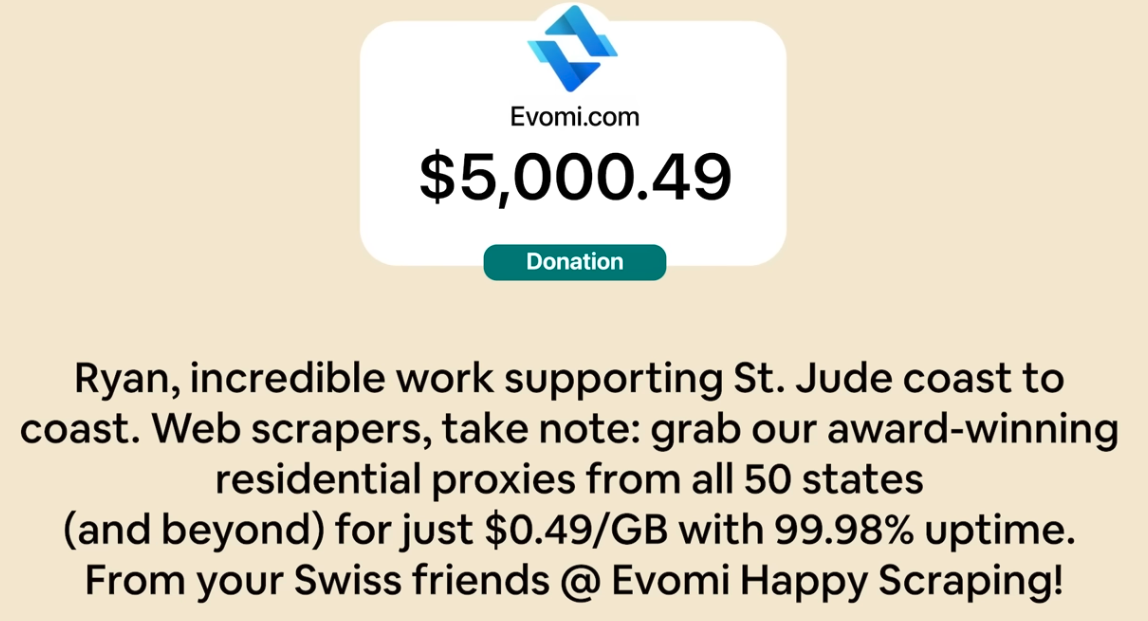
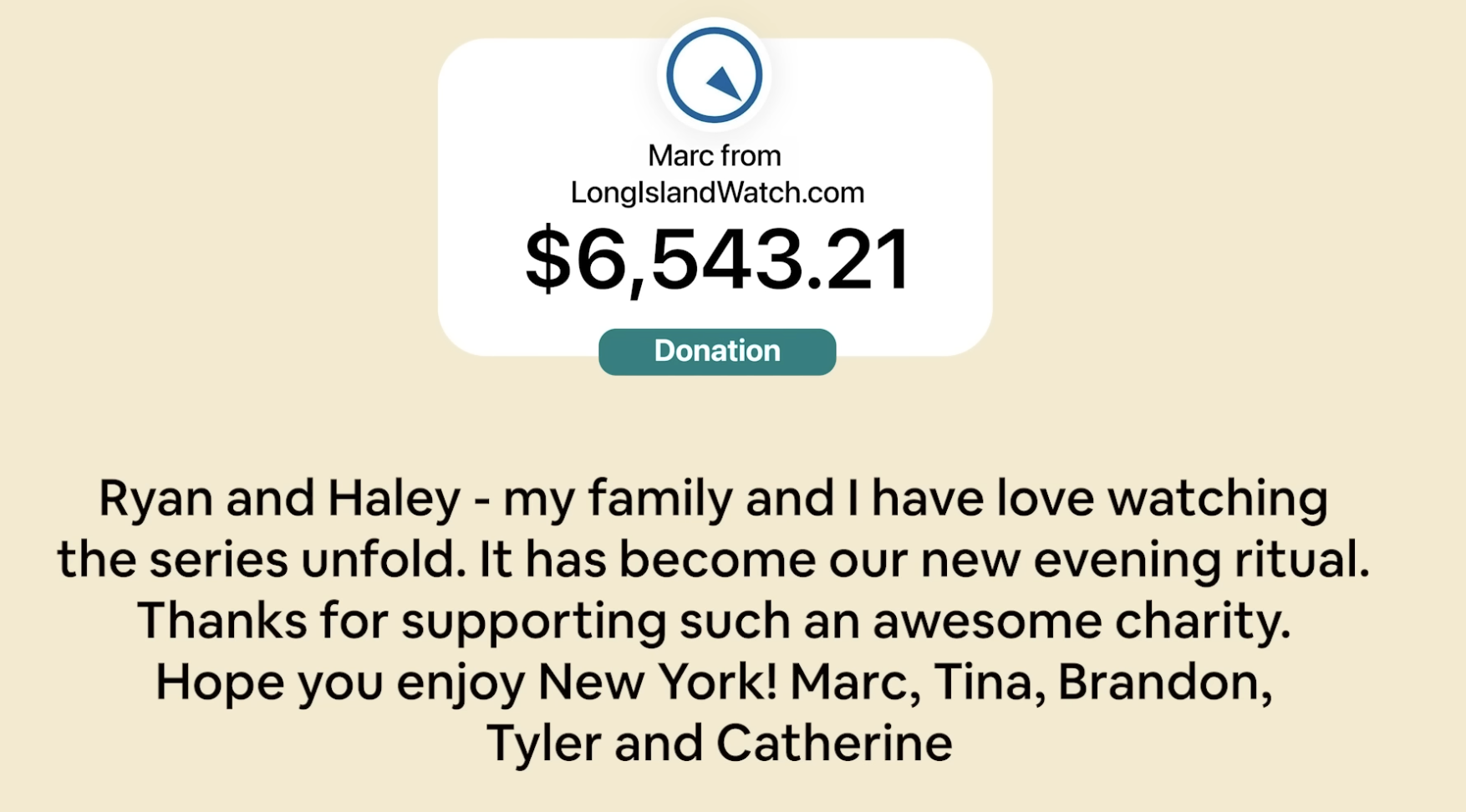
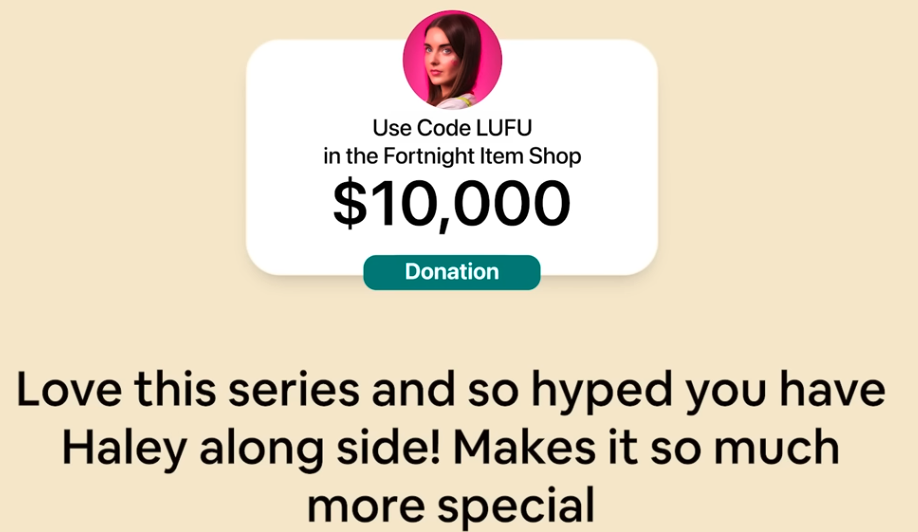
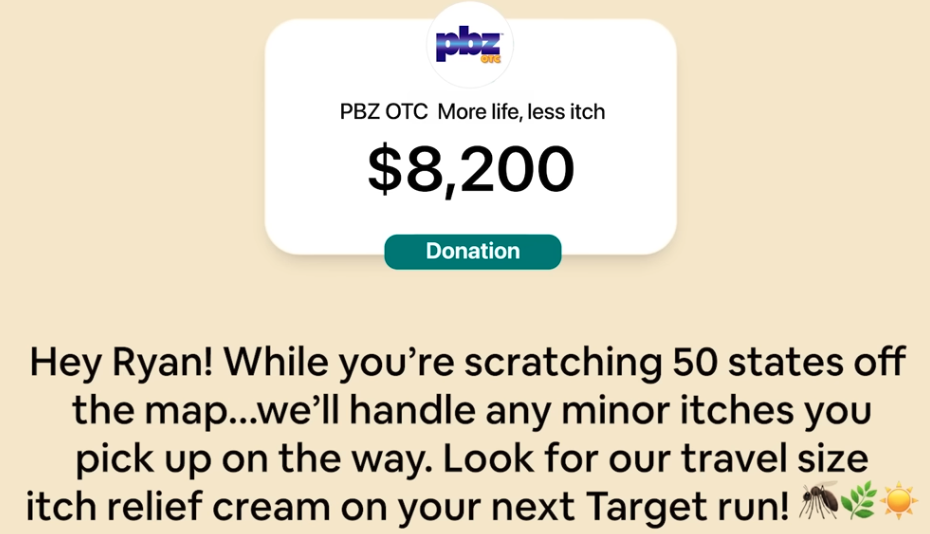
Ryan Trahan’s whirlwind “50 States in 50 Days” series wasn’t just about quirky Airbnbs or a $1M fundraiser for St. Jude — it doubled as a live experiment in marketing. From $5,000 donor shoutouts to $100K corporate sponsorships, everyone from families to major brands took part. But here’s the real question: did these donations actually deliver lasting value, or were they just entertaining moments in a viral summer spectacle?
Recently, YouTube standout content creator Ryan Trahan created a daily summertime video series, “50 States in 50 Days,” where he and his wife, Haley, set out to sleep over in 50 states in, you guessed it, 50 days. As part of their trip, they chose some of the most unique Airbnbs in each state, awarding a trophy to the most unique house (Spoiler: winner here).
Baked into the series was a $1 million fundraiser for St. Jude Children’s Research Hospital. Donations could be made in any amount, but there were certain thresholds at which greater donor value (and uncertainty for Ryan and Haley) could be unlocked (rundown here).
Donations of $5,000+ resulted in Ryan and Haley giving a verbal shoutout. The donor could post any message they wanted, and it would read aloud, accompanied by an on-screen visual. (Can you say marketing opportunity?)
Donations of $50,000-$99,999 would trigger the Wheel of Doom (WOD). Now, the WOD is a spin wheel, with each slice resulting in a “penalty” that must be accomplished before arriving at the next Airbnb (rules here). It could be something simple, like driving around until the gas tank hits E, or something more menacing, such as requiring the two of them to split up (Yes, this did happen … twice). However, there was one sliver of a wheel that granted a golden ticket, making them immune to the WOD for 24 hours once activated.
Donations over $100,000 allowed the donor to choose the WOD penalty, like Shopify did on day 43.
Following the Series
From day 1, this series became a family staple in my home. We’d try to watch it each night while eating dinner, but with vacations and other travel, we sometimes watched it in the morning or while ironing before a wedding.
From the moment I saw the first video, I blurted out, “Companies should be all over this!”
After all, B2B companies easily spend over $5,000 on paid ads, a webinar, to sponsor a podcast, or have an “influencer” mention their name in a social video. And here, an opportunity for companies to have a YouTuber with 21.3 million subscribers mention their brand name and read their message to people with undivided attention. Seems like a no-brainer opportunity, right?
Well, maybe.
I know what some of you are thinking: isn’t it just kids watching? Well, no. As I mentioned, this was a staple in our home. My 13 and 11-year-olds watched. My professional wife and my professional self watched. We talked about it with our adult friends. And, we discovered new brands in the process.
This is what made the series a genius piece of content. It wasn’t just about the younger audience; it was about the family audience. Need proof? Look no further than the donations read aloud during the series. Time and time again, those who donated mentioned they watched as a family — but how many actually watched?
The very first video had 1.8M views within the first 24 hours. It now has 10 million views. The worst-performing video in the series has 2.2M views. How do those eyeballs compare to a webinar you recently ran, a video with a “business influencer,” or a social media ad?
So, this series was content creation gold, but would it also be as golden a marketing opportunity for brands as it looked?
Let’s look at a couple of examples.
Did Companies Get Value From Donating to 50 States in 50 Days?
1. Lectric eBikes (“Lectric”). Lectric was the first big sponsor, donating $100K, activating the WOD. In the following episode, they delivered an ebike to Ryan and Haley, promising to donate an additional $10K each day he rode the bike during the series. This became a short segment commercial in each video. The bike looked fun, folded nicely, and drove rode me to their website.
In total, Lectric eBikes donated $610K for the series. But was it worth it?
According to Ahrefs (who, BTW, also donated in the series), the brand earned greater than 235M impressions and $7M worth of brand awareness during the series. He-llo!
2. Staple Games. The game developer company initially donated $100K on Day 30, activating the … W.O.D. The company promised to make additional donations based on incentives such as game downloads and in-game achievements. Here is where we begin to get an idea of how well the series could do for a company.
Remember, donors of $100K can choose their WOD penalty. They chose, of course, Silent Treatment, meaning no talking between Ryan and Haley during their trip to the next Airbnb. Nicely, Staple Games suggested Ryan and Haley use the time to play some of their games. This turned into an almost-daily product demo for the company.
They promised to donate $1 for every new game download through the remainder of the series. The next day, they donated $5,347. Then $6,600, $11,000, $16,000, $18,000, and so on. The product demos became longer and more detailed.
In the end, Staple Games became the top donor for the entire 50 States in 50 Days series, donating $815,642!
I wanted to know about their experience and how beneficial this effort was compared to other channels. I reached out to Staple Games, but have not heard back before this article was posted.
However, a user on Linkedin did some “simple math” and calculated that the company received $1.7M of UA value in US installs and $214K of UA value in in-app events (e.g., state unlocks), for a total of $1.9M in UA value on $815K of spend.
For both companies, the ROI seemed positive. But would smaller companies that couldn’t afford a $50K donation see the same benefits?
3. PieCalendar, an event calendar Plugin for WordPress, is a small company that typically spends very little on paid ads. Well, like me, watching was a daily ritual for them, and maybe that allure was too much for them to ignore. On day 27, they opened up their wallet and donated $5K.
So how’d they do?
Unlike Staple Games, they didn’t see the business ROI on their spend. The company told me they did see a spike in traffic (good product awareness), but they did not see as many converted sales during that period.
I had to ask, “Was it worth it?”
“One of our goals is to use our business to do good in the world, so in terms of a $5,000 donation that might help a kid survive childhood cancer, absolutely, it was worth it. We got to be a part of a huge fundraiser and a great project that helped tons of people, so the ROI is secondary to the actual impact the donation had on the cause.”
4. LongIslandWatch.com shared a similar story. The owner, Marc, had been watching the series with his family, and around day five, he realized he wanted to donate. Like PieCalendar, he didn’t do it for purely marketing purposes. On Day 25, Marc’s donation was seen by all.
“I really appreciated what he was doing and wanted to show my support,” Marc said. “If it were an advert, I would have pushed my socials or YouTube video. Though I must admit, the Staple Games thing was GENIUS.”
Knowing the immediate impact on his business wasn’t all that it could be, I asked Marc if he’d do it again.
“I’d do it again, simply from the altruistic aspect,” Marc told me. “I’m planning a donation to another cause that’s 10x the Trahan one, and it likely will see a much smaller audience.”
Was it worth it? How Successful Was 50 States in 50 Days for brands?
This answer depends on expectations. Evomi, a proxy services company, donated in episode 21. Pascal Mueller, Evomi’s Head of Growth, said, “Creator-led, mission-driven campaigns like Ryan’s deliver authenticity you can’t buy with traditional ads. We reached a broad and different audience, supported St. Jude, and built real goodwill—absolutely worth it.”
From an ROI standpoint, the series appeared to be a mixed bag. Companies like Staple Games and Lectric eBikes seemed to do extremely well. In fact, although Staple Games emerged late, they had so much success that they became the top donor in the entire series.
Larger brands such as Shopify, Dollar Shave Club, Starbucks, DoorDash, and T-Mobile, as well as lesser-known brands like MaceyMedia, Visco Software, PieCalendar, LongIslandWatch.com, and RoofMen, joined in the donation fun. Although some saw less ROI from a marketing perspective, those I spoke to were generally okay with that. For them, it was about giving back more than anything.
While the original fundraising goal was $1 million, the 50 States in 50 Days Series raised a total of $11,560,561.
Hats off to all who helped provide patients and families of St. Jude with a little more comfort during difficult times!
This was a great summertime series for families to enjoy. It was a great avenue for brands seeking exposure, and I’m sure others like myself discovered new brands as a result of the series.
I can’t help but wonder: what he heck am I going to watch next, and why I secretly hope it has brand donor ads at the end.
A Few On-Screen Examples of $5,000 Donations:
Here are just a few examples of brands that donated $5K along the way. I am posting for no other reason than for fun. Please reach out if you want your screenshot added.